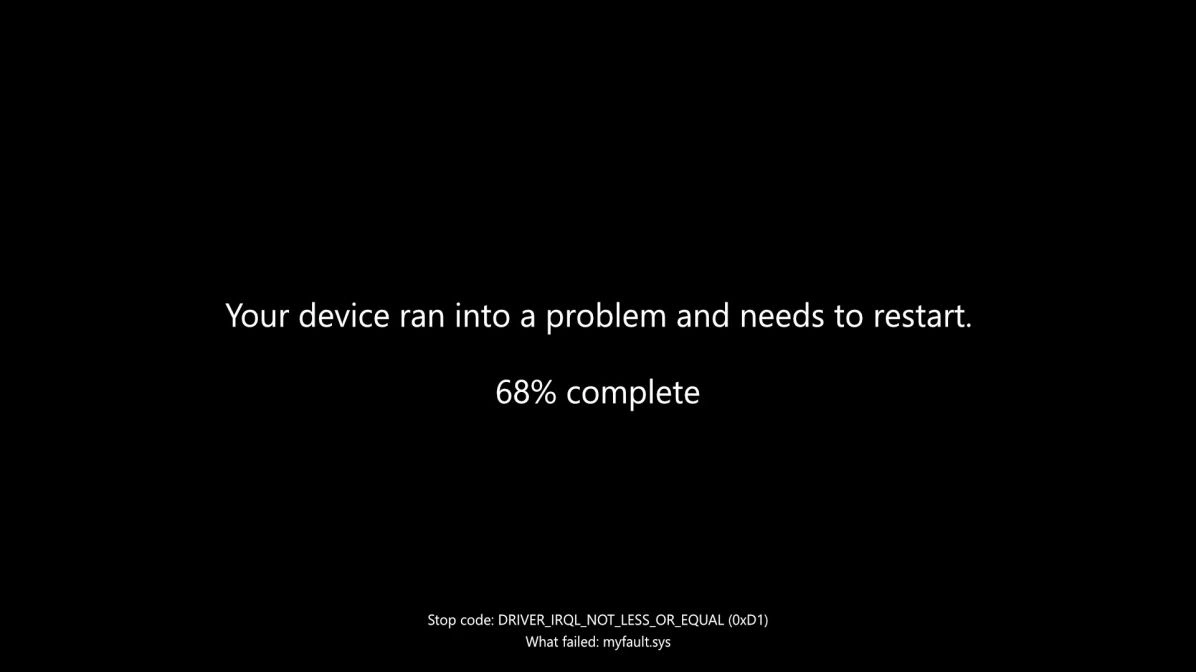
Microsoft’s January exposed cracks across its ecosystem. Windows 11 updates broke core features, cloud services suffered extended outages, and a BitLocker encryption case raised uncomfortable questions about privacy and control.
January is usually when nothing much happens. Routine patches, quiet changelogs, maybe a minor fix nobody notices. That wasn’t the case this year.
Instead, Microsoft spent the opening weeks of 2026 dealing with a messy chain of problems that cut across Windows, the cloud, and user trust. A Windows 11 update caused unexpected system failures. Cloud services went dark for hours. And a separate privacy issue reminded users that encryption inside a Microsoft account comes with conditions.
Each incident on its own would’ve been manageable. Together, they felt harder to dismiss.
Windows 11 Updates that tried to do too much
On January 13, Microsoft pushed out a cumulative Windows 11 security update, KB5074109. Along with the usual fixes, it brought new features – most notably a gaming-oriented Full Screen Experience mode.
That ambition didn’t age well. Within days, users started reporting problems that were hard to ignore: apps crashing for no clear reason, desktop wallpapers turning into solid black screens, Outlook freezing mid-session, and systems failing to properly enter sleep or hibernation. This wasn’t subtle breakage. It was the kind of stuff that forces people to stop what they’re doing.
Microsoft acknowledged the issues four days later and released an out-of-band patch. It helped in some cases, but the reports didn’t stop. Apps tied to cloud sync – OneDrive especially – kept crashing or hanging. At that point, Microsoft’s advice was telling: move important files to local storage, at least for now. A second emergency patch followed soon after.
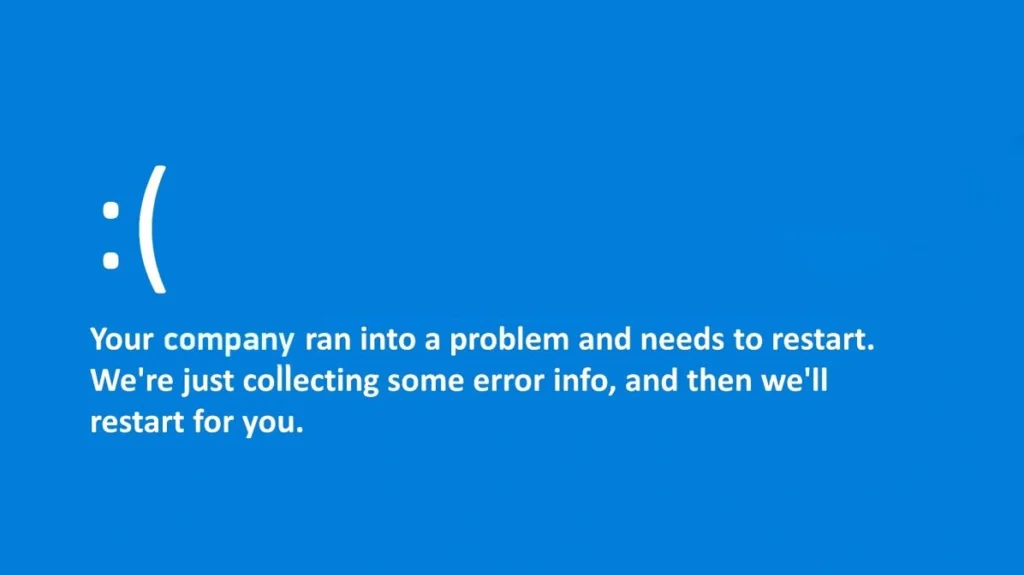
When a fix becomes the bigger problem
That second update, KB5078127, bundled earlier fixes and aimed to stabilize cloud-related behavior. For most systems, it did. For a smaller group, it created a much bigger headache.
Some machines failed to boot at all, landing users on a black screen with the error UNMOUNTABLE_BOOT_VOLUME – usually a sign of storage or firmware trouble. Microsoft says the issue affects a limited number of devices and recommends recovery through WinRE. Still, when a security update risks locking people out of their systems, confidence drops fast.
BitLocker, defaults, and an uncomfortable reminder
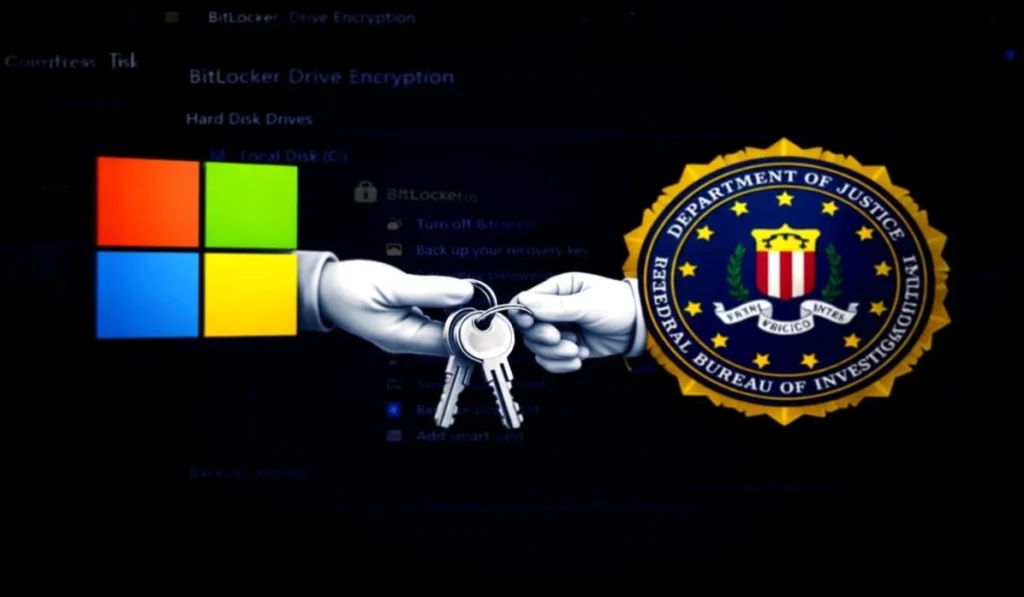
While Windows 11 issues were still unfolding, Microsoft confirmed something else that caught users’ attention. The company acknowledged providing BitLocker recovery keys to the FBI under a court order, allowing access to encrypted data on a Windows device.
Legally, this wasn’t shocking. Microsoft says it handles roughly 20 such requests each year. What unsettled people was the reminder of how BitLocker works by default. Recovery keys are often tied to a Microsoft account rather than stored only on the device itself. It’s convenient when things go wrong – but it also means Microsoft can supply those keys when legally required.
Users can change that behavior and store keys locally. Many never do, often without realizing there’s a choice.
Privacy advocates argue this blurs the line between user-controlled encryption and platform-managed access. And once that mechanism exists, it doesn’t stop at U.S. borders.
When the cloud stops cooperating
Later in the month, Microsoft ran into another problem. Between January 22 and 23, a large-scale outage knocked out access to Outlook, OneDrive, Teams, the Microsoft Store, Copilot, and related services. It took close to ten hours to fully restore everything.
Microsoft blamed a spike in demand combined with temporary capacity limits during scheduled maintenance in North America. The explanation was plausible. The experience wasn’t reassuring.
For companies and users deeply embedded in Microsoft’s ecosystem, the message was simple: when the cloud stalls, work stalls with it.
What January quietly exposed
Microsoft will fix the bugs. Cloud reliability will improve. Legal obligations aren’t going away. The more interesting takeaway from January is how tightly everything is now connected – and how little slack there is when something breaks.
Windows isn’t just an operating system anymore. It’s an entry point to identity systems, cloud storage, productivity tools, and encrypted data. When stability, availability, and trust all wobble at the same time, people notice.
January wasn’t a disaster. But it was revealing.
Subscribe!
Subscribe to our newsletter and be in touch with high-tech news
Top Read
A LEGO game wants RTX 3080: Why LEGO Batman’s system requirements shock everyone

MSI launches XpertStation WS300 with Nvidia GB300 Blackwell: up to 496GB RAM and supercomputer hardware in desktop format

Cooler Master’s G360 Dragon Shadow SE Puts an Infinity Mirror on Your CPU Block for $66
EPOMAKER RT100 PRO Ships With a Screen You Can Rip Out for Extra Keys

Intel Core Ultra 7 270K Plus and Core Ultra 5 250K Plus: 24 Cores, 5.5 GHz, $299
