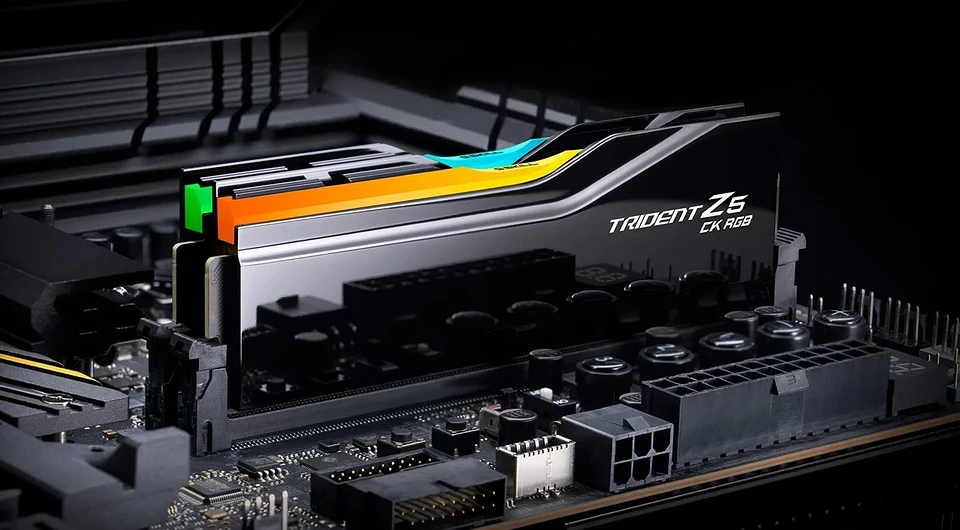
Upgrading a PC has quietly become far more expensive. RAM prices have surged at an unprecedented pace, and experts warn this may not be a short-term spike. Here’s what’s driving the increase and how users should respond.
If you’ve looked at RAM prices recently, you probably did a double take.
Over the past year, memory costs have surged dramatically, turning what used to be a routine PC upgrade into a serious expense. For many buyers, this isn’t just sticker shock – it’s one of the sharpest price increases the memory market has seen in over a decade.
So what’s going on? And more importantly, should PC users wait it out – or adapt?
The scale of the price spike
By the end of last year, RAM prices had climbed by over 170% year-over-year. Analysts are already calling it the most severe memory market disruption in ten years.
Unlike gradual inflation or seasonal fluctuations, this jump was sudden and widespread. DDR4, DDR5 – it didn’t matter. Everything got more expensive, fast.
And no, it’s not because people suddenly started building more gaming PCs.
AI is the real culprit this time
This situation closely mirrors what happened to GPUs during the crypto mining boom – but the driving force is different.
This time, the pressure comes from large-scale AI infrastructure.
Training and running modern AI systems requires enormous amounts of high-speed server memory, including:
- RDIMM
- HBM
- Other enterprise-grade memory solutions
The rapid expansion of AI data centers has sent demand for this type of memory through the roof.
Why consumer RAM is caught in the crossfire
In theory, consumer RAM and server memory are separate markets. In reality, they compete for the same manufacturing capacity.
Companies like Samsung, SK Hynix, and Micron have made a rational business decision: shift production toward the most profitable products. And right now, that’s AI-focused server memory.
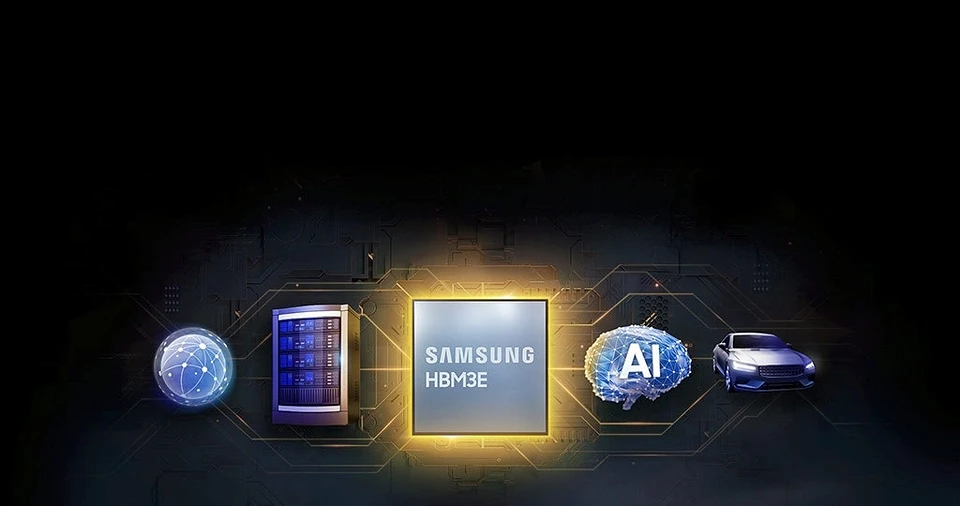
Source: SamsungTo put the scale into perspective:
- A single major AI player reportedly orders hundreds of thousands of memory wafers per month
- That can represent up to 40% of global output
- High-bandwidth memory delivers far higher margins than consumer DDR4 or DDR5
From a business standpoint, the choice is obvious.
For PC users, the consequences are painful.
Shortages Beyond RAM: SSDs and More
Reduced production of consumer memory has led to shortages across multiple categories.
It’s not just RAM:
- NAND flash used in SSDs is affected
- Prices for storage are climbing again
- Analysts warn that LPDDR demand from major tech companies could push prices up for laptops and smartphones as well
In other words, this isn’t an isolated problem – it’s a chain reaction.
Will RAM prices go down?
This is the question everyone wants answered.
Most analysts agree on one thing: don’t expect meaningful relief anytime soon.
Forecasts vary, but the general outlook is grim:
- Some predict 30–50% quarterly increases through the first half of 2026
- More conservative estimates still point to ~20% growth
- The most pessimistic scenarios suggest prices could double again from current levels
While manufacturers are investing heavily in production upgrades, almost all of that investment is aimed at server and AI memory, not consumer RAM.
A new normal, not a temporary crisis
The biggest takeaway is this: demand from the AI sector isn’t slowing down.
Most projections expect high memory demand to persist for at least the next decade. That makes today’s pricing less of a temporary crisis and more of a structural shift in the hardware market.
For PC users, that changes the strategy.
What should regular users do?
If your PC is already struggling with everyday tasks or modern games, waiting may not help. Prices are unlikely to drop soon, and delaying an upgrade could simply mean paying more later.
If you need more performance:
- Upgrading sooner may be the lesser evil
- Focus on practical capacity increases, not overkill
- Avoid speculative waiting for price drops that may never come
A different path for gamers
For gamers especially, the math has shifted.
In many cases, a PlayStation 5 or Xbox Series X now costs less than:
- A mid-range RAM upgrade
- Or a partial PC refresh
Consoles offer stable performance, predictable costs, and avoid the spiraling price of PC components – at least for now.
That doesn’t mean PCs are obsolete. But the value equation has clearly changed.
Final thoughts
RAM prices aren’t rising because of hype or short-term demand spikes. They’re being pulled upward by a massive, long-term shift in how computing resources are allocated.
For US consumers, the best move right now isn’t hope – it’s planning.
Understand your needs, upgrade when necessary, and don’t assume yesterday’s pricing logic still applies. The memory market has entered a new phase and it’s not going away anytime soon.
Subscribe!
Subscribe to our newsletter and be in touch with high-tech news
Top Read
A LEGO game wants RTX 3080: Why LEGO Batman’s system requirements shock everyone

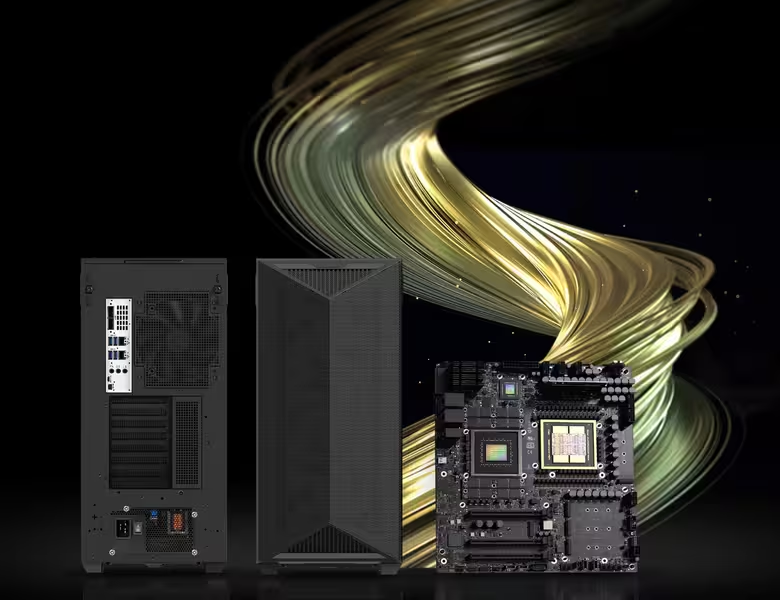
MSI launches XpertStation WS300 with Nvidia GB300 Blackwell: up to 496GB RAM and supercomputer hardware in desktop format
Cooler Master’s G360 Dragon Shadow SE Puts an Infinity Mirror on Your CPU Block for $66
EPOMAKER RT100 PRO Ships With a Screen You Can Rip Out for Extra Keys
Intel Core Ultra 7 270K Plus and Core Ultra 5 250K Plus: 24 Cores, 5.5 GHz, $299
