
A new kind of smartphone is entering the mobile scene in 2026 — one that aims to blur the line between phone and pocket PC. Nex Computer has officially unveiled the NexPhone, a midrange device that ships with Android 16 and can also run Debian-based Linux and Windows 11.
The idea isn’t just a gadget trick: the company’s goal is to give users a single device capable of covering everyday mobile tasks and more serious desktop-style computing, potentially letting you switch between full operating systems depending on what you need at the moment.
Triple-OS in one handset
The main standout feature of the NexPhone is its multi-OS support.
- Android 16 is the default mobile environment, running apps, messages, calls, and all the basics of a modern smartphone.
- Linux (Debian) can be launched for a traditional desktop experience — something useful for developers, power users, or anyone who prefers a Unix-style system.
- Windows 11 (Arm) support is also included, letting the device act like a full Windows PC when connected to external peripherals like a monitor, keyboard, and mouse.
Unlike typical dual-boot phones, this setup is designed so you can switch between environments in ways that suit different workflows — though moving into Windows 11 generally requires a restart.
Specs and design
The NexPhone combines ambitious software with decent midrange hardware:
- Display: ~6.58-inch 120 Hz screen with Full HD+ resolution.
- Performance: Qualcomm QCM6490 chipset with 12 GB of RAM and 256 GB of storage (expandable via microSD).
- Cameras: 64 MP main camera plus additional lenses on the back.
- Battery: A 5,000 mAh unit with support for wireless charging.
- Durability and Connectivity: Modern connectivity including 5G, USB-C video out, and ruggedized build quality in some variants.
At a launch price of about $549, the NexPhone is positioned as a more affordable alternative to high-end flagship devices, while offering computing versatility that few others can match.
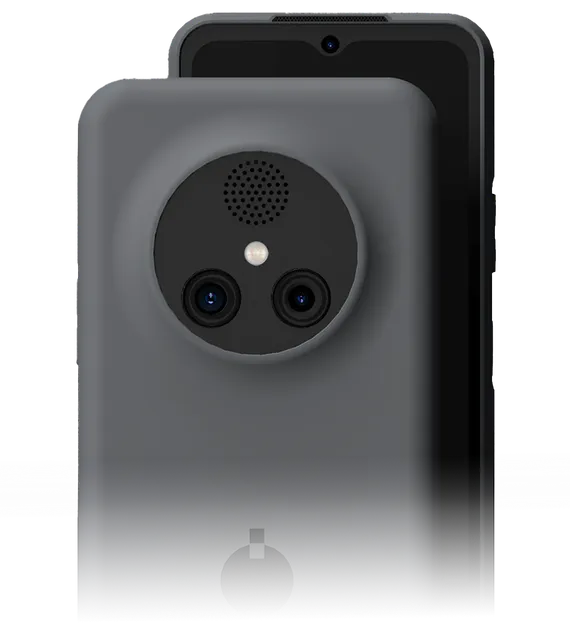
A new take on mobile productivity
The NexPhone agenda goes beyond smartphones as we know them. By combining three major operating environments into a single handheld device, it gives users options not typically found outside laptops or desktop PCs.
For instance, Linux support may appeal to developers or tech enthusiasts who want command-line tools and desktop workflows, while Windows 11 compatibility could — in theory — transform the phone into a full desktop machine when used with a monitor and peripherals.
This concept resonates with past efforts like Samsung DeX or Microsoft’s Continuum, but the NexPhone’s triple-OS vision takes it a step further by making all three environments part of the core experience.
Real-World trade-offs
There are important caveats:
- Running three full OSes naturally adds complexity — switching into a Windows 11 session often means a reboot and using an external display for comfortable keyboard and mouse work.
- True Linux support varies by implementation — in some cases, Debian may run as a desktop app environment rather than a separate bare-metal OS.
Still, the NexPhone’s flexible software approach appeals to geeks, power users, and anyone who wants both mobile and desktop tools in one package.
Availability
Nex Computer plans to ship the NexPhone in Q3 2026, with pre-orders open now via deposits that lock in the initial price.
Whether it becomes a mainstream hit or a niche gadget for tech enthusiasts, the NexPhone represents a bold effort to rethink what a smartphone can be by blending mobile convenience with real computing power.
Subscribe!
Subscribe to our newsletter and be in touch with high-tech news
Top Read
A LEGO game wants RTX 3080: Why LEGO Batman’s system requirements shock everyone

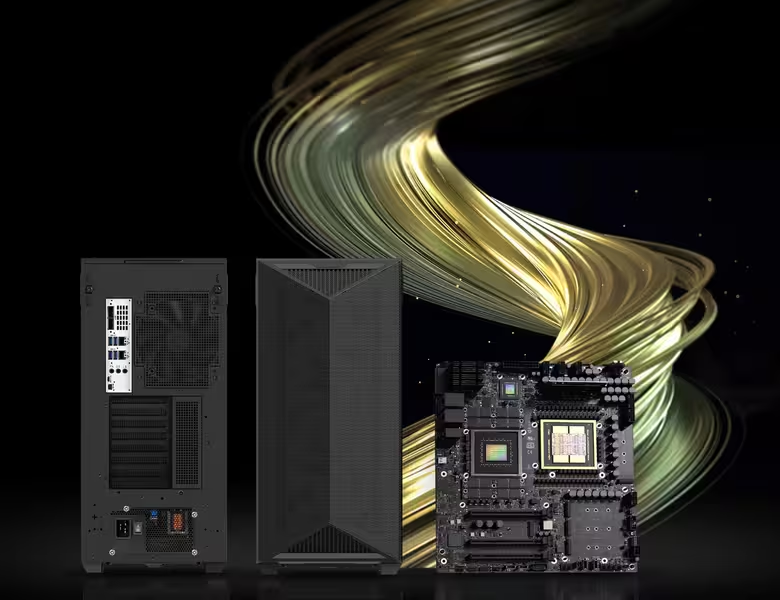
MSI launches XpertStation WS300 with Nvidia GB300 Blackwell: up to 496GB RAM and supercomputer hardware in desktop format
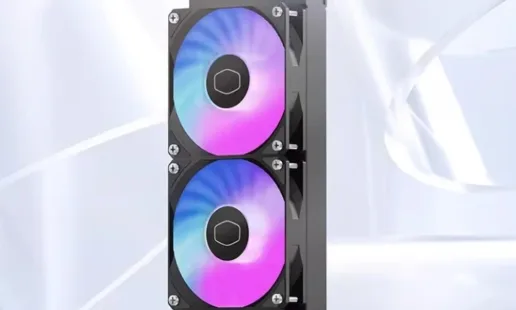
Cooler Master’s G360 Dragon Shadow SE Puts an Infinity Mirror on Your CPU Block for $66
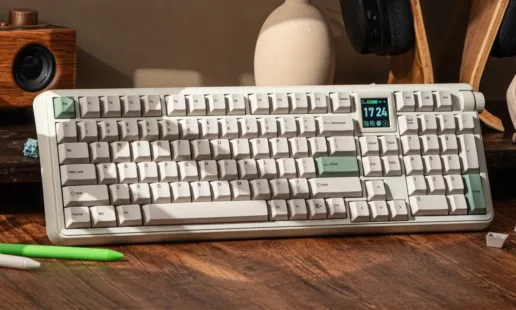
EPOMAKER RT100 PRO Ships With a Screen You Can Rip Out for Extra Keys
Intel Core Ultra 7 270K Plus and Core Ultra 5 250K Plus: 24 Cores, 5.5 GHz, $299
