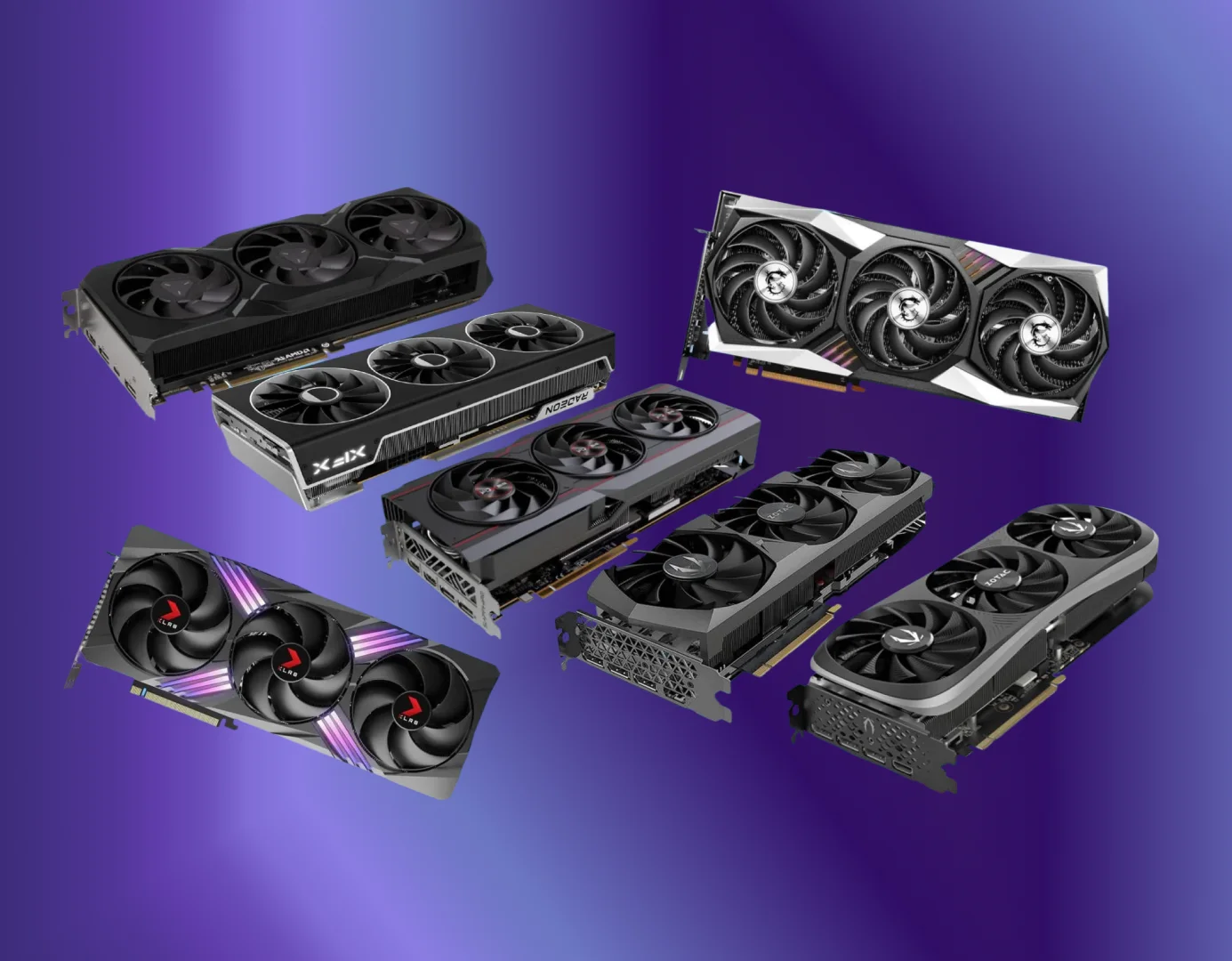
After years of inflated prices, the GPU market is quietly correcting itself. Most modern NVIDIA and AMD graphics cards are now selling below their original launch prices - and for PC gamers, that’s a big deal.
For a long time, buying a graphics card felt like bad timing no matter when you tried. Prices were inflated, stock was unpredictable, and “MSRP” sounded more like a suggestion than a rule.
That phase is ending.
Across both NVIDIA and AMD’s last two generations, the majority of GPUs are now selling below their original launch prices. Not on flash sales. Not with rebates. Just… regularly.
And that shift says a lot about where the PC hardware market is headed next.
The GPU price reset is real
What we’re seeing now isn’t a temporary dip – it’s a structural correction.
Retail data shows that most RTX 40-series and RX 7000-series cards have slipped under their launch MSRP. In some cases, the difference is minor. In others, it’s meaningful enough to change buying decisions entirely.
This is happening for a few reasons at once:
- Demand from crypto mining is effectively gone
- Production has stabilized after supply chain chaos
- Competition between NVIDIA and AMD is finally showing up in pricing
- Gamers are holding off – and manufacturers noticed
The result? Retailers are adjusting prices to match reality, not hype.
NVIDIA: Still premium, but no longer untouchable
NVIDIA’s latest lineup has always leaned premium, especially in the mid-to-high end. But even here, cracks are showing.
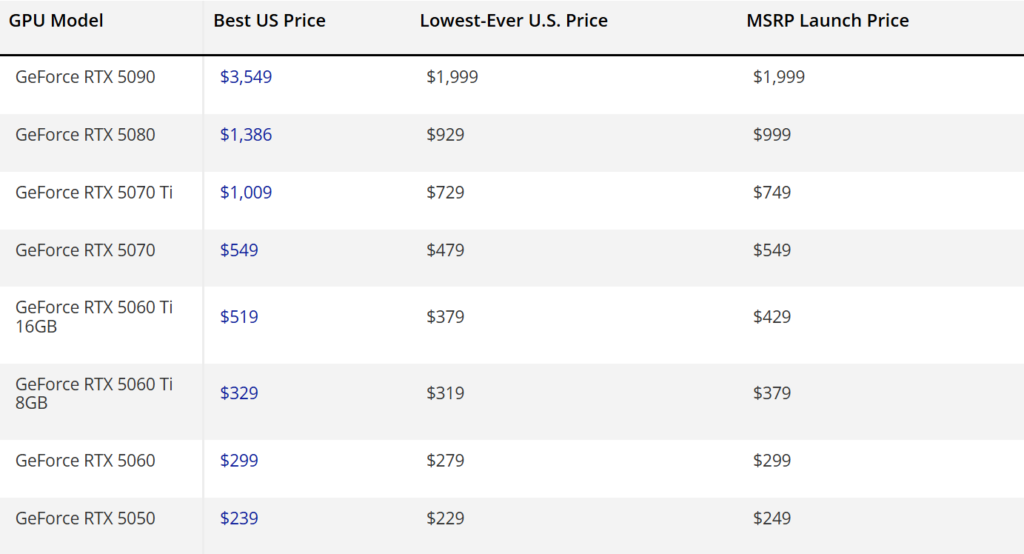
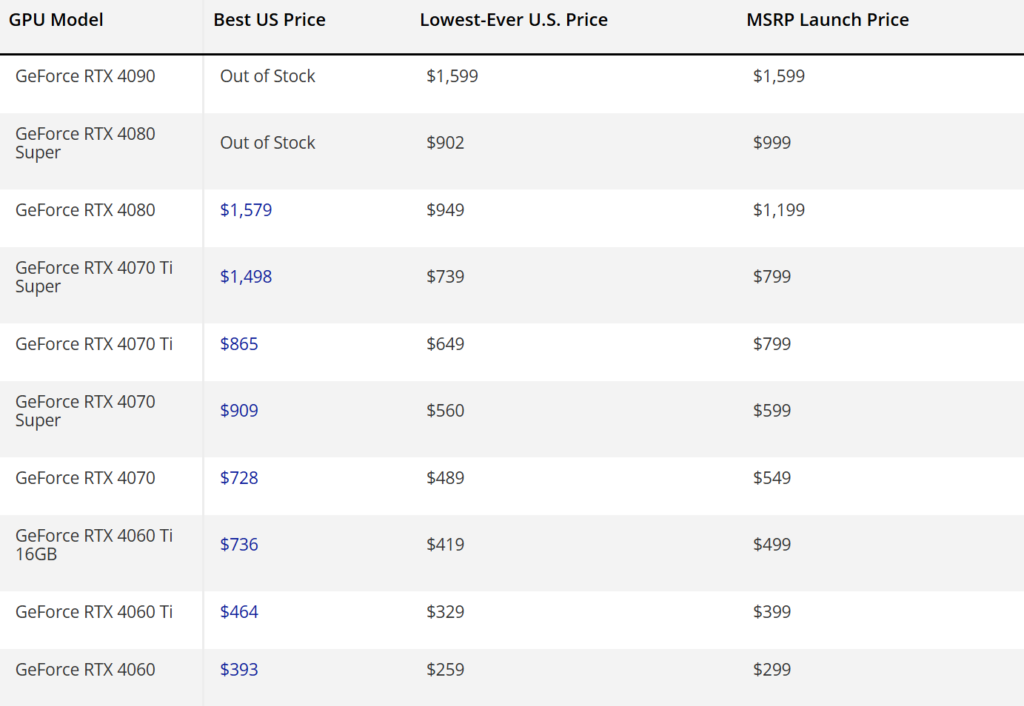
Cards like the RTX 4070 and RTX 4060 Ti are now commonly found at or below launch pricing. That’s notable, because these models were widely criticized early on for poor value.
What changed?
- Slower-than-expected upgrades from RTX 30-series owners
- Stronger price pressure from AMD
- A growing secondhand market competing with new cards
NVIDIA isn’t suddenly becoming budget-friendly, but the days of automatic overpricing are fading.
AMD’s strategy is paying off
AMD, on the other hand, looks far more comfortable in this environment.
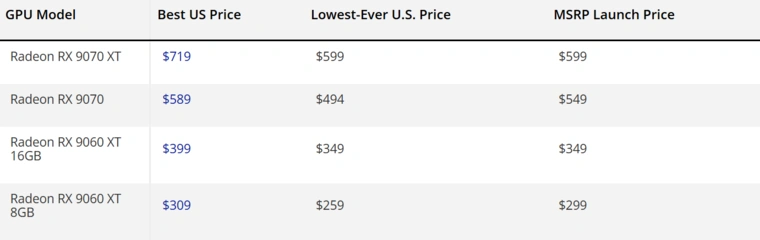
Most RX 7000-series cards dropped below MSRP faster and stayed there. In the mid-range especially, AMD now dominates the price-to-performance conversation.
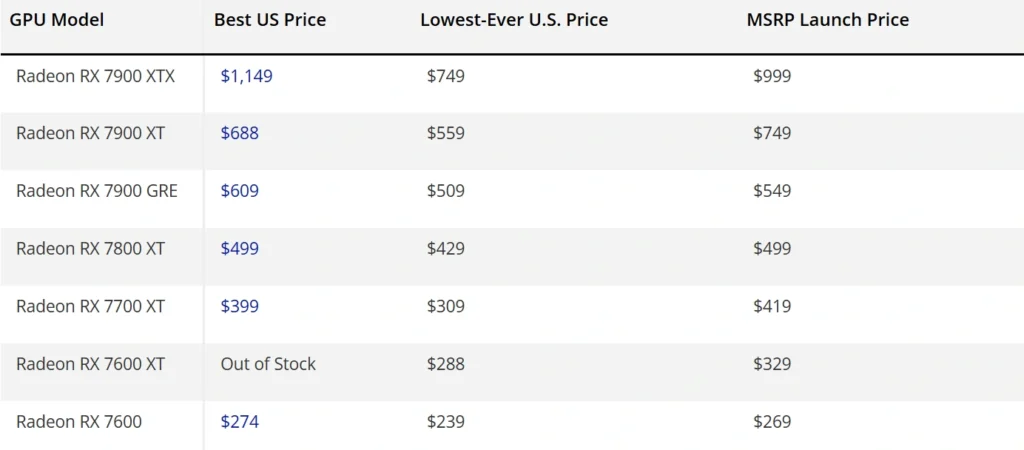
That’s important for gamers who care less about brand loyalty and more about:
- Rasterization performance
- VRAM capacity
- Long-term value
AMD’s pricing is forcing direct comparisons – and often winning them.
What this means for PC gamers
If you’ve been waiting to upgrade, this is the most buyer-friendly GPU market we’ve seen in years.
Why now makes sense:
- Launch hype has faded
- Prices are stable, not volatile
- Performance differences are well-documented
- There’s no immediate “must-wait” next-gen announcement
You’re no longer paying a panic premium.
Price vs value: The new GPU reality
Here’s a simplified look at how things stack up right now:
| Segment | Best Value Trend | Why |
|---|---|---|
| Entry-level | AMD RX series | More VRAM, lower prices |
| Mid-range | Mixed | NVIDIA features vs AMD pricing |
| High-end | NVIDIA | Still leads in advanced features |
| Used market | Strong | Competes directly with new GPUs |
The biggest shift? Value matters again.
Is it worth buying a GPU now?
For most gamers – yes.
Not because prices are at historic lows, but because they finally make sense relative to performance. Waiting for “the perfect moment” usually means missing months of actual gaming.
If your current GPU is holding you back, today’s market no longer punishes you for upgrading.
FAQ
Possibly, but major drops are unlikely without a new generation launch. Current pricing already reflects softer demand.
It depends on priorities. NVIDIA still leads in advanced features, while AMD often wins on raw performance per dollar.
Used cards can be a great value, but only if you trust the source. New GPUs now compete closely in price.
Less than before. Real-world pricing now matters more than launch numbers.
Sources: tomshardware.com
Subscribe!
Subscribe to our newsletter and be in touch with high-tech news
Top Read
A LEGO game wants RTX 3080: Why LEGO Batman’s system requirements shock everyone

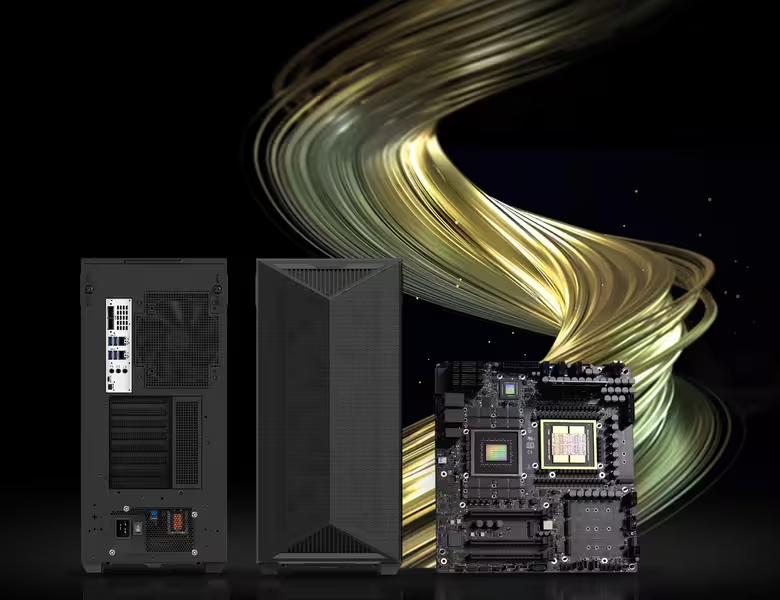
MSI launches XpertStation WS300 with Nvidia GB300 Blackwell: up to 496GB RAM and supercomputer hardware in desktop format
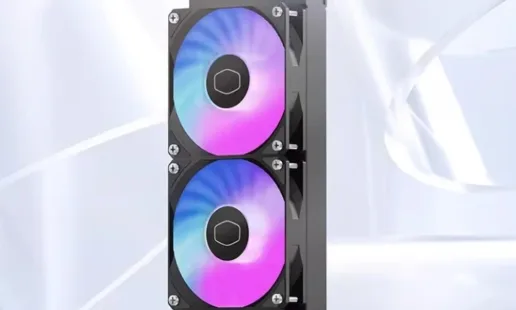
Cooler Master’s G360 Dragon Shadow SE Puts an Infinity Mirror on Your CPU Block for $66
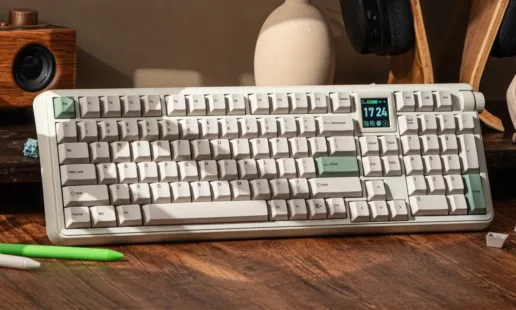
EPOMAKER RT100 PRO Ships With a Screen You Can Rip Out for Extra Keys
Intel Core Ultra 7 270K Plus and Core Ultra 5 250K Plus: 24 Cores, 5.5 GHz, $299
