
When CannonKeys announced its latest mechanical keyboard, skeptics and keyboard enthusiasts alike paused to take note — and maybe scratch their heads a little. The new Bullet Train isn’t just small. It’s miniature, with a layout that most mainstream users haven’t encountered before.
This isn’t a typical 60% board, and it certainly isn’t designed to replace your full-size setup overnight. But for fans of compact peripherals who want something unique — lightweight, stylish, and portable — the Bullet Train might hit a sweet spot. Here’s what stands out.
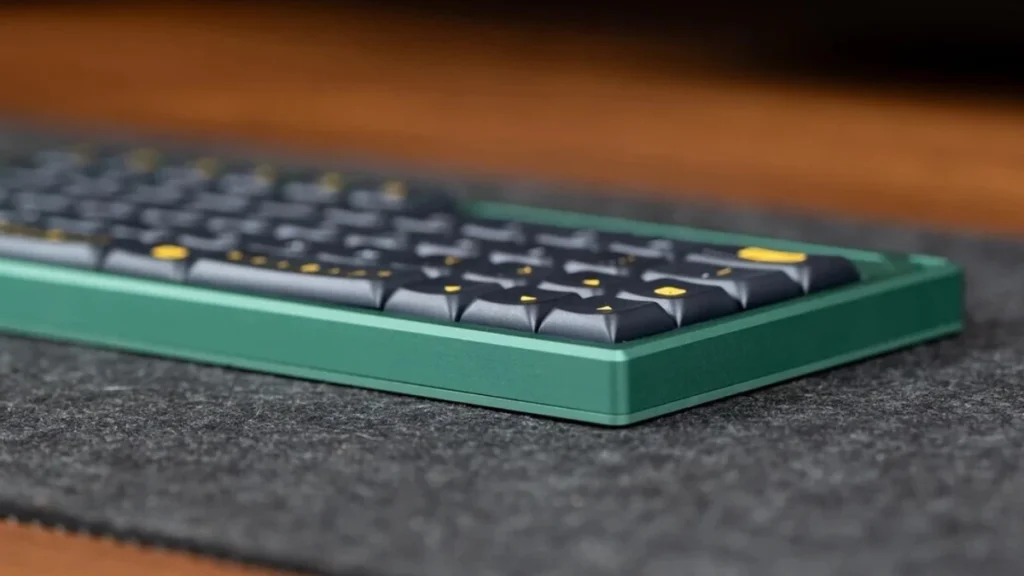
Mini but not simplistic: What the Bullet Train really is?
At first glance, the Bullet Train feels almost like a concept made real. CanonKeys touts its design as a 40% keyboard — a form factor that keeps only the essentials and strips away everything else. In this case, that means a layout labeled V4N4G0N, which adds a small row of six number keys (1–6) in the top left corner for quick access, but otherwise foregoes a traditional function row or dedicated navigation keys.
Key hardware highlights include:
- Low-profile Gateron KS-33 switches — slim, mechanical switches that help keep the overall profile flatter than typical desktop keyboards.
- Aluminum chassis and FR4 plate — this combo brings lightweight durability and, according to CanonKeys, stable wireless signal integrity.
- Hot-swappable switch support — you can install or change switches without soldering, a must-have for many mechanical keyboard fans.
- Wired (QMK) and wireless (likely ZMK) options — different firmware choices depending on how you plan to use the keyboard.
Layout and use: Who this tiny board is for?
Here’s where opinions will diverge sharply: the Bullet Train’s physical layout and sparse keyset mean it’s not designed for everyone. If you type long documents, juggle spreadsheets, or regularly reach for function keys, this board will take adjustment. The minimal design demands layer-based navigation for things like F-keys, arrows, and symbols.
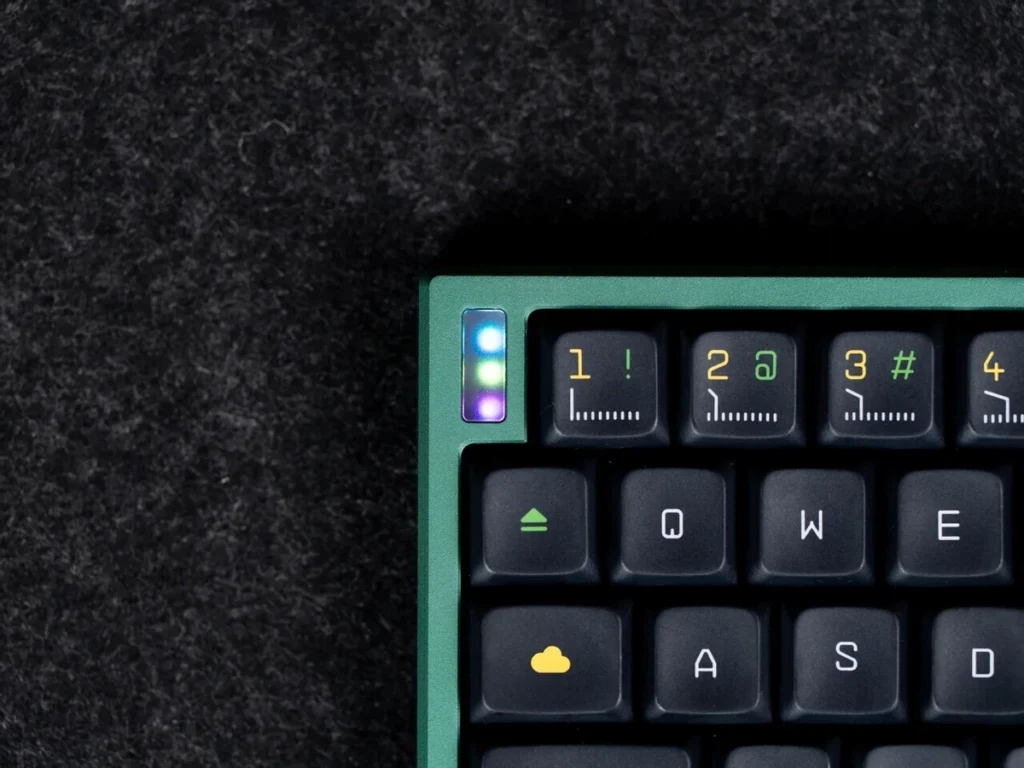
That said, it does make the keyboard highly portable and visually distinctive. Some use cases where its form factor shines:
- Travel setups, where desk space is premium.
- Secondary or secondary device, paired with a tablet or small workstation.
- Minimalist desk builds, when style matters as much as function.
- Enthusiast gaming, for players who want a low-profile peripheral that stays out of the way.
If you want a “jack-of-all-trades” board that replaces every other keyboard, this probably isn’t it — but then again, that’s not the point.
Specs, pricing & build options
The setup and pricing reflect its niche status: the Bullet Train launches via group buy on February 5, with pricing starting at $170 for the wired model and around $200 for the wireless version. These kits typically require you to supply your own keycaps and switches, meaning the final build cost can vary depending on the parts you choose.
Available finish colors include black, green, purple, pink, and silver — all with anodized coatings for a clean, premium look.
Real talk for keyboard fans
There’s a reason the mechanical keyboard community buzzes about oddball form factors like this: they represent the experimental edge of what a keyboard can be. The Bullet Train walks that line intentionally. Some will love the minimalist aesthetic and ingenuity behind the layout; others will cringe at the lack of dedicated keys and zero tilt.
If you’re curious about compact boards, low-profile switches, or unconventional layouts — and don’t mind a bit of a learning curve — the Bullet Train could be a conversation-starting addition to your setup. For everyone else looking for a daily driver that doesn’t make compromises, more traditional 60% or TKL boards might be easier to live with.
Quick Specs Summary
- Form factor: Ultra-compact ~40% (V4N4G0N layout)
- Switches: Hot-swappable Gateron KS-33 low-profile
- Case: Aluminum with choice of plate materials
- Connectivity: Wired (QMK) / Wireless (ZMK)
- Price: ~$170–$200
Subscribe!
Subscribe to our newsletter and be in touch with high-tech news
Top Read
A LEGO game wants RTX 3080: Why LEGO Batman’s system requirements shock everyone

MSI launches XpertStation WS300 with Nvidia GB300 Blackwell: up to 496GB RAM and supercomputer hardware in desktop format
Cooler Master’s G360 Dragon Shadow SE Puts an Infinity Mirror on Your CPU Block for $66
EPOMAKER RT100 PRO Ships With a Screen You Can Rip Out for Extra Keys

Intel Core Ultra 7 270K Plus and Core Ultra 5 250K Plus: 24 Cores, 5.5 GHz, $299
