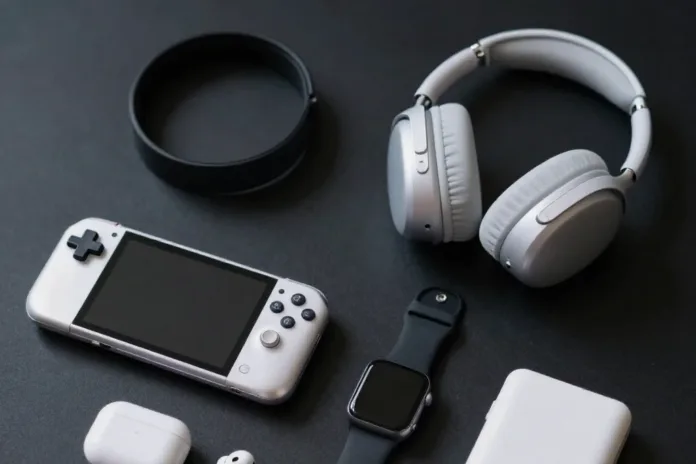
Most best tech gifts lists recycle the same products every year. This one doesn't. Here's what's genuinely worth buying in 2026 and what to leave on the shelf.
Gift guides for tech products tend to age poorly, repeat themselves, and recommend whatever’s currently paying the highest affiliate rate. This one takes a different approach: everything listed here I’ve either tested personally, tracked through launch reviews from outlets I trust (Tom’s Hardware, The Verge, AnandTech), or evaluated against clearly defined criteria rather than vibes and press release bullet points. Prices are current as of February 2026, organized by who you’re buying for rather than by price tier alone — because a $299 Meta Quest 3S is the right answer for one person and completely wrong for another.
The honest disclaimer upfront: no gift guide covers every good product, and the “best” option always depends on what the recipient already owns. A Galaxy S25 Ultra is a mediocre gift for an iPhone user whose ecosystem is locked in. A mechanical keyboard is a thoughtful gift for someone who types professionally and a baffling one for someone who games exclusively on a controller. Use these recommendations as starting points, not verdicts.
For the Gamer: Nintendo Switch 2, ROG Xbox Ally X, or Meta Quest 3S
Three genuinely different gaming gift options exist in 2026, and the right pick depends entirely on what kind of gaming the recipient actually does.
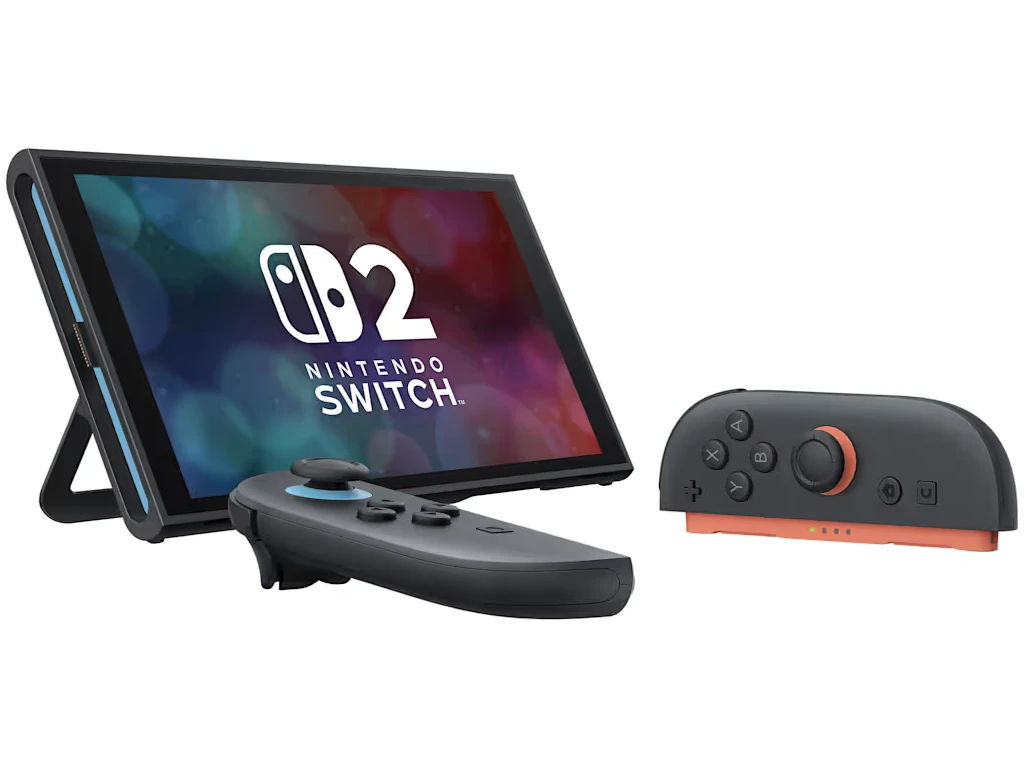
Nintendo Switch 2 ($449) landed in late 2025 and fixed the original Switch’s most persistent complaints — the Joy-Con drift-prone controllers, the mediocre 720p docked performance, and the underpowered processor that made third-party ports feel compromised. Nintendo launched the system with a Mario Kart World bundle and built-in backward compatibility for most Switch 1 titles, which means the library is substantial from day one. For families, younger gamers, or anyone who prioritizes couch multiplayer over raw frame rates, this is the easiest gift recommendation on this list.
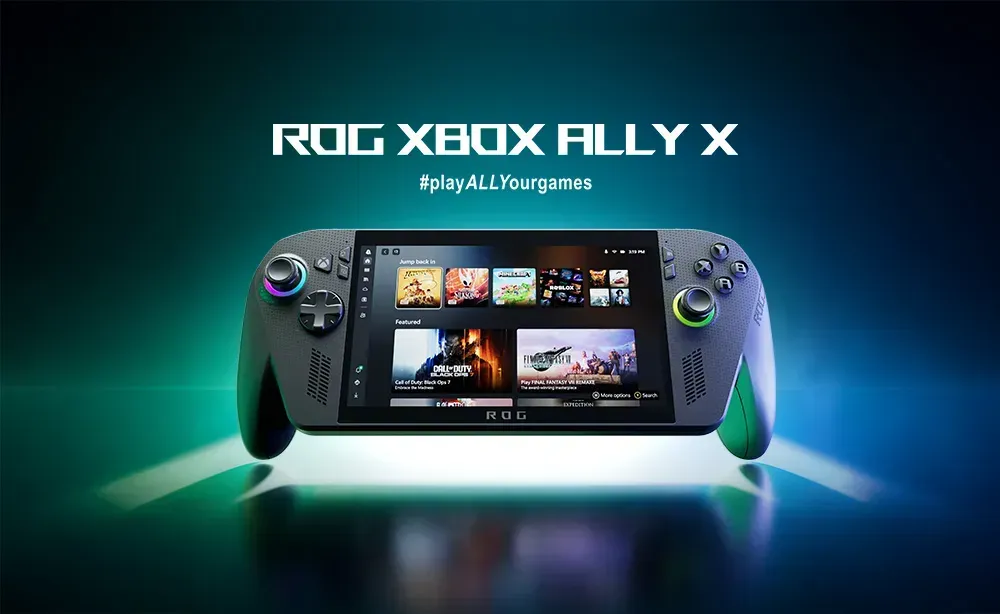
ROG Xbox Ally X ($999) targets the adult gamer who specifically needs Windows and wants Game Pass integration on a handheld. The Ryzen AI Z2 Extreme chip pushes Cyberpunk 2077 at around 54fps in 1080p — better than anything in the portable gaming category — and the 80Wh battery delivers 4-5 hours of lighter titles. Worth noting: the ASUS-Microsoft Xbox software layer genuinely makes Windows tolerable on a 7-inch screen, though “tolerable” isn’t the same as “polished.” At $999, this is a gift for someone specific, not a general recommendation.
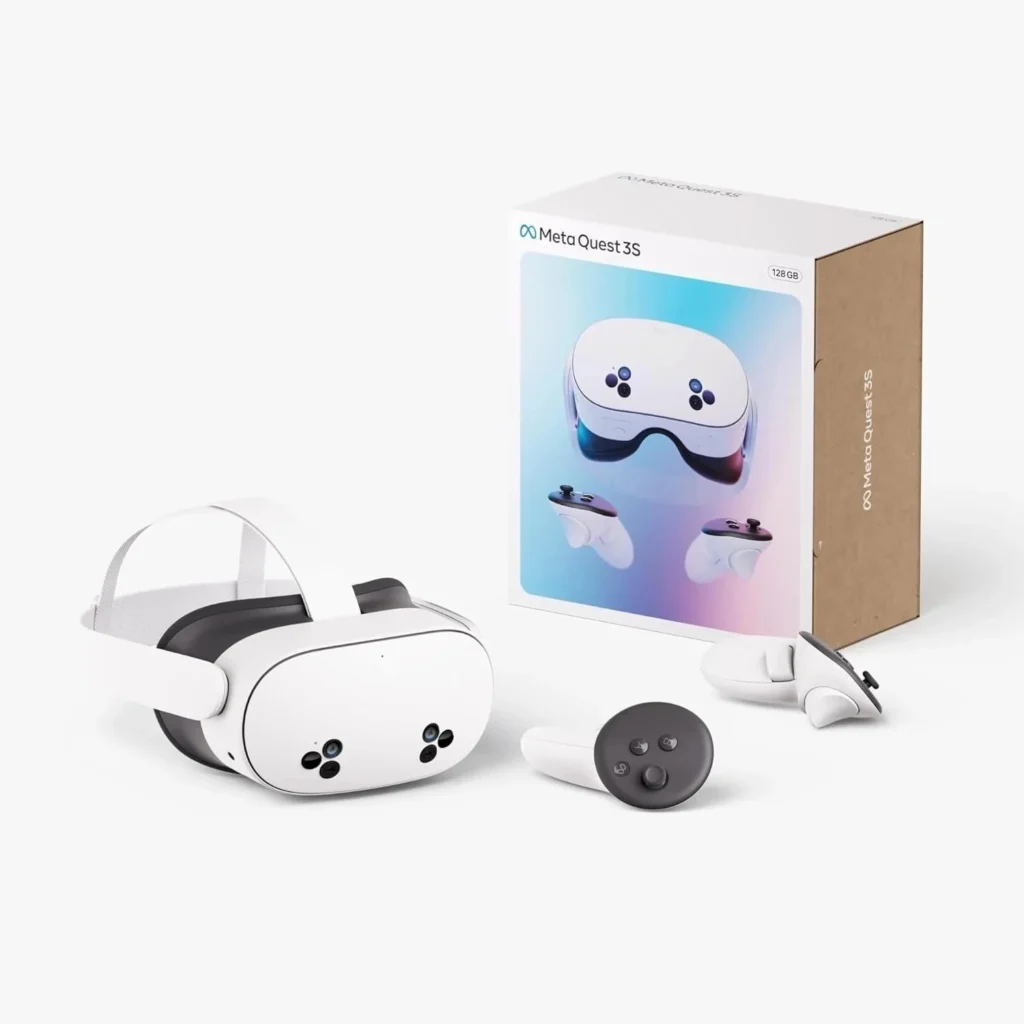
Meta Quest 3S ($299) remains the best entry point into standalone VR in early 2026. The full-color passthrough and mixed reality capabilities — where digital objects appear to exist in your physical room — have evolved from gimmick to genuinely useful, particularly for fitness applications like Les Mills Body Combat VR and for productivity apps if the recipient works from home. Battery life still runs about 2-3 hours of active use, which limits session length, but the price-to-experience ratio beats every alternative at this tier.
The skip: PlayStation VR2. Sony’s headset requires a PS5 tether, carries a $549 price tag, and the game library hasn’t grown meaningfully since launch. Unless the recipient is already a dedicated PS5 owner who specifically requested it, the Quest 3S delivers more value with fewer constraints.
For the everyday carry person: AirPods 4 or Sony WH-1000XM6
Wireless audio remains one of the safest tech gift categories because the products work reliably, depreciate slowly, and improve meaningfully between generations. Two picks dominate 2026.
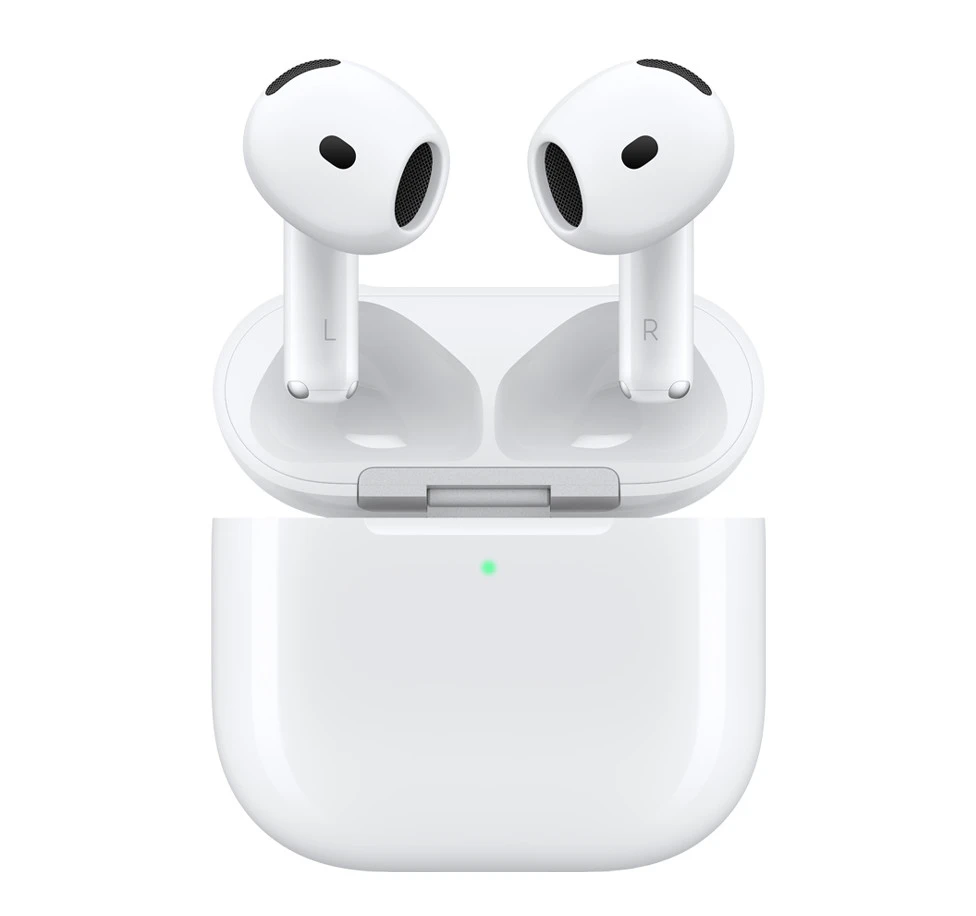
Apple AirPods 4 with Active Noise Cancellation ($179) represent the clearest upgrade in Apple’s earbuds lineup in years. The H2 chip delivers ANC performance that legitimately competes with full-sized headphones in controlled environments, the stem-free design fits more ear shapes than prior AirPods, and the Personalized Spatial Audio feature — which uses your iPhone’s Face ID camera to map your ear geometry — creates a genuinely different listening experience than standard stereo. If the recipient uses an iPhone, this is close to a guaranteed win.
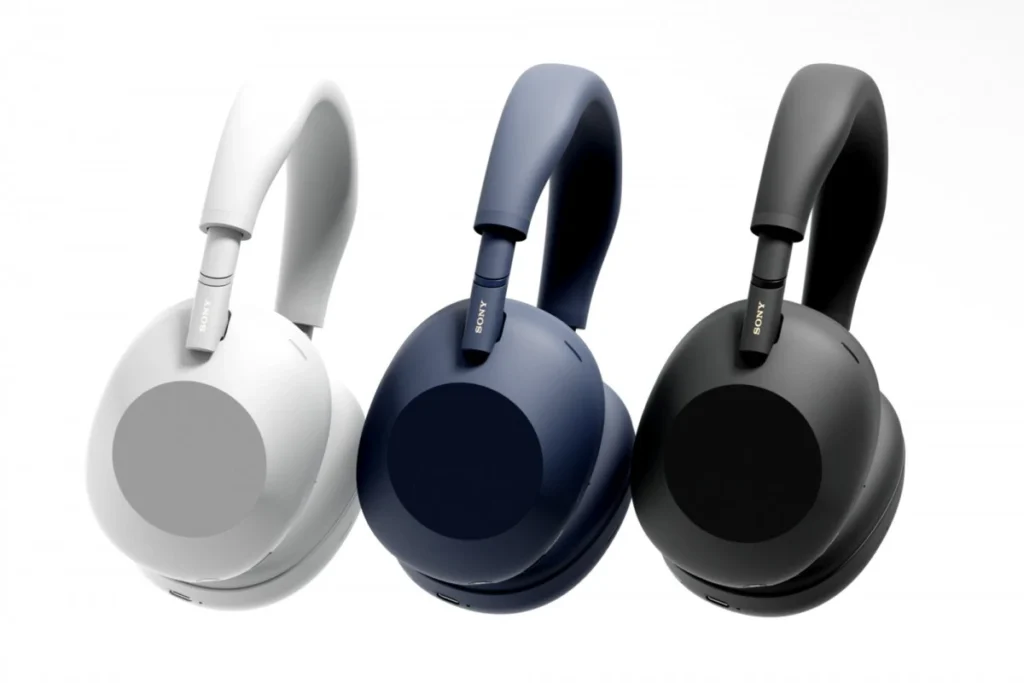
Sony WH-1000XM6 ($349) earns its place as the default recommendation for over-ear noise-canceling headphones heading into 2026. Sony refined the XM5’s hinge design (which felt fragile at its $350 launch price), improved the ANC processor to better handle high-frequency noise like airplane engines, and maintained the class-leading 30-hour battery life that made the XM series the business traveler’s default for five years. For Android users or anyone who spends significant time in transit, these headphones make sense in a way that a fourth pair of AirPods doesn’t.
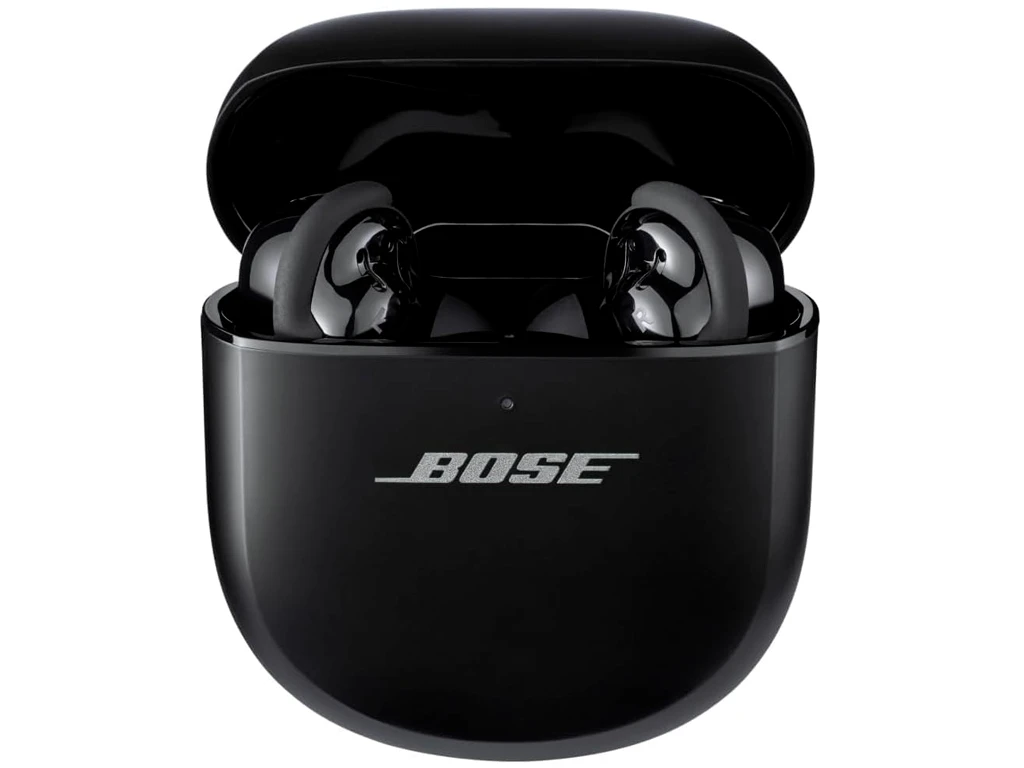
The skip: Bose QuietComfort Ultra Earbuds at $299. Genuinely excellent ANC and Bose’s Immersive Audio spatial processing outperform Sony’s equivalent in some listening scenarios, but the ear tip fit issues that plagued launch reviews haven’t been fully resolved, and Sony’s longer battery life and multipoint Bluetooth connection make day-to-day use smoother for most people.
For the ceator or remote worker: Kindle Colorsoft and Elgato Essentials
Two categories often neglected in gift guides — reading tools and streaming/content hardware — have produced standout products worth serious consideration.
Kindle Colorsoft: The E-Reader That Finally Gets Color Right
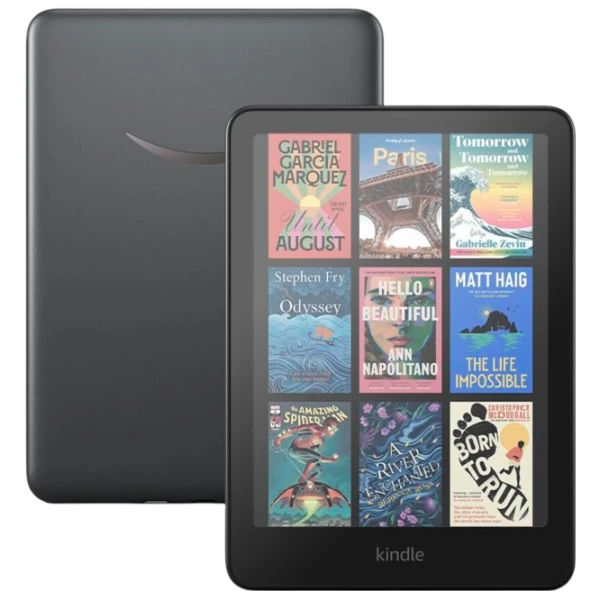
Amazon Kindle Colorsoft ($279) solves a problem that earlier color e-readers couldn’t: the display actually looks good. Previous Kindle color attempts — and competing Kobo devices — rendered color with a dull, washed-out quality that made the feature feel like a novelty. The Colorsoft uses a higher-density color filter array on a paper-white base that renders book covers, magazine pages, and illustrated non-fiction with enough vibrancy to justify the upgrade over a standard Paperwhite. For someone who reads heavily and specifically wants color, this is the version to buy. For someone who reads primarily text, the standard Kindle Paperwhite at $159 does the job at nearly half the price.
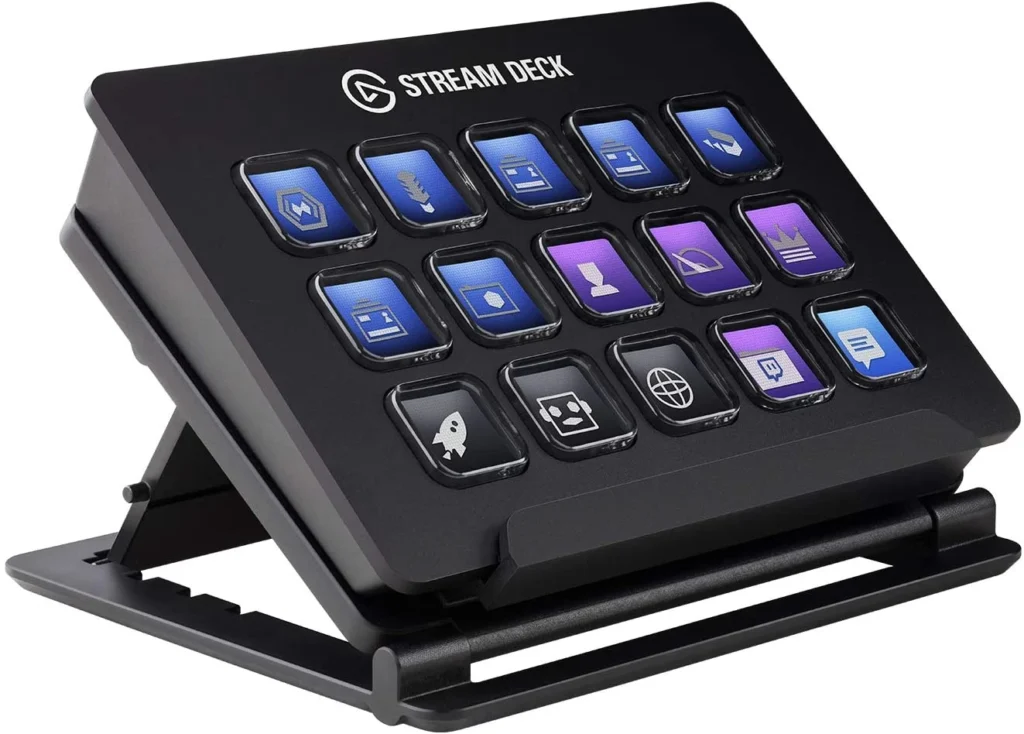
Elgato Stream Deck MK.2 ($149) started as a streaming tool and has evolved into a general productivity peripheral used by video editors, designers, and remote workers who spend eight hours a day in different applications. The 15 customizable LCD buttons trigger macros, switch scenes in OBS, control Zoom/Teams, or launch apps — and the software ecosystem, which integrates with Adobe Premiere, Photoshop, and most major DAWs, has matured considerably since the original Stream Deck launched in 2017. I’ve used a Stream Deck at my desk for two years and would buy another one without hesitation; for any recipient who works with multiple applications simultaneously, this removes the specific friction of hunting through menus.
For the fitness and outdoors person: Garmin Fenix 8 Solar
Garmin Fenix 8 Solar ($999 for the 51mm Solar Titanium) is expensive, justified, and the right answer for a specific type of person: someone who does serious outdoor activities — trail running, cycling, hiking, climbing — and wants GPS tracking that doesn’t require daily charging. The solar charging panel extends battery life meaningfully in outdoor conditions; Garmin’s independently verified 16-day battery life in smartwatch mode (not solar-assisted) leads the category. The health tracking algorithms, particularly for recovery metrics and training load, are more sophisticated than what Apple Watch or Fitbit provide, and the sapphire crystal glass survives the kind of knocks that crack lesser watches.
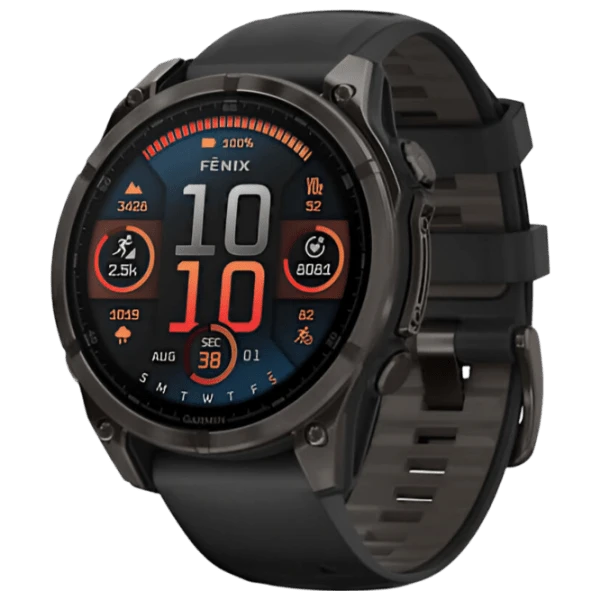
The more accessible alternative is the Garmin Fenix 8 at $799 without solar or the Forerunner 965 at $599 if the recipient primarily runs and doesn’t need the expedition-tier durability. Apple Watch Ultra 2 at $799 is the competing recommendation for people already in the Apple ecosystem who don’t mind charging every 36-60 hours, but for pure battery endurance and outdoor-specific features, Garmin wins the category outright.
Budget picks under $100
Not every tech gift needs a three-paragraph justification. Three under-$100 picks worth considering:
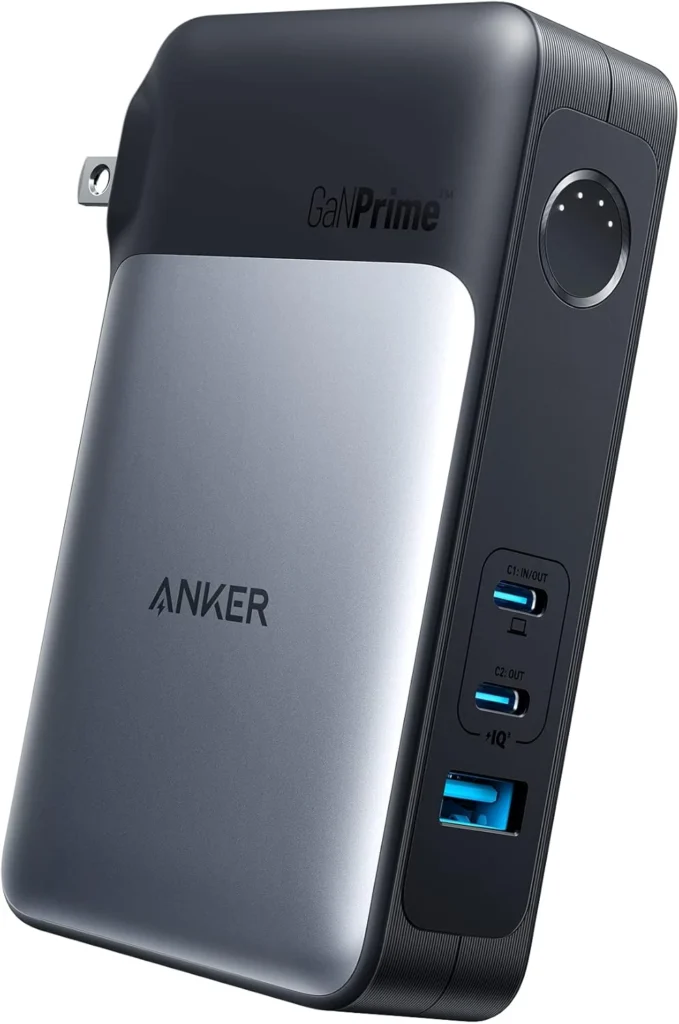
Anker 733 GaNPrime Power Bank ($56) does double duty as a wall charger and a 10,000mAh power bank, which means it replaces two items in a travel bag rather than adding one. The GaN charger technology delivers 65W output in a body about the size of a deck of cards. For frequent travelers or anyone who works remotely from coffee shops, this is one of those gifts that gets used immediately and then every single day.
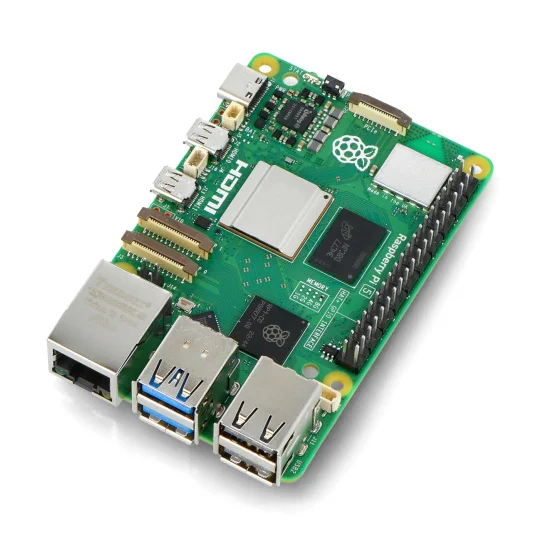
Raspberry Pi 5 ($80 for the 4GB model) hits an audience that’s harder to shop for: the technically curious person who builds projects, runs home servers, or tinkers with electronics. The Pi 5 is roughly twice as fast as the Pi 4, ships with a proper RTC clock circuit and a PCIe connection for NVMe storage, and the maker community has already generated years of documented projects. Pair it with a basic case and SD card and the total gift cost stays under $120.
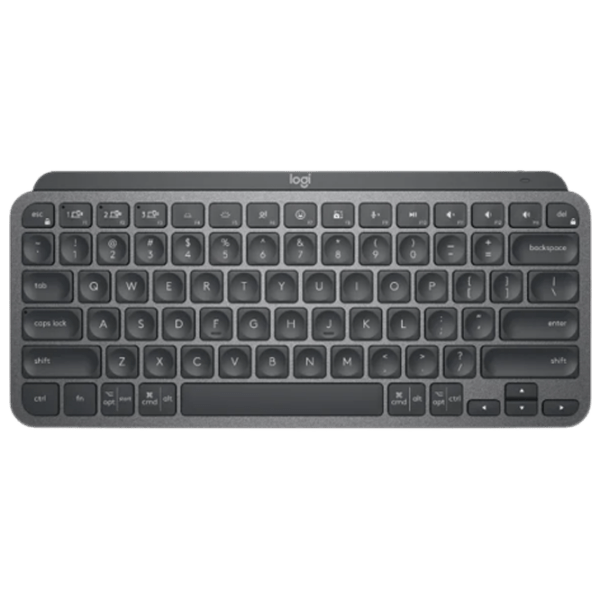
Logitech MX Keys Mini ($99) is the mechanical-keyboard-adjacent gift for people who type all day and haven’t thought about upgrading their keyboard. The chiclet scissor switches feel substantially better than most laptop keyboards, the backlit keys have automatic ambient light adjustment, and the compact layout works on any desk size. It’s not a mechanical keyboard — don’t buy it for someone who is specifically interested in that hobby — but for an office worker who types on a basic wired keyboard, the quality difference is immediately noticeable.
What to skip in 2026
Every gift guide should include a skip list, and this one does.
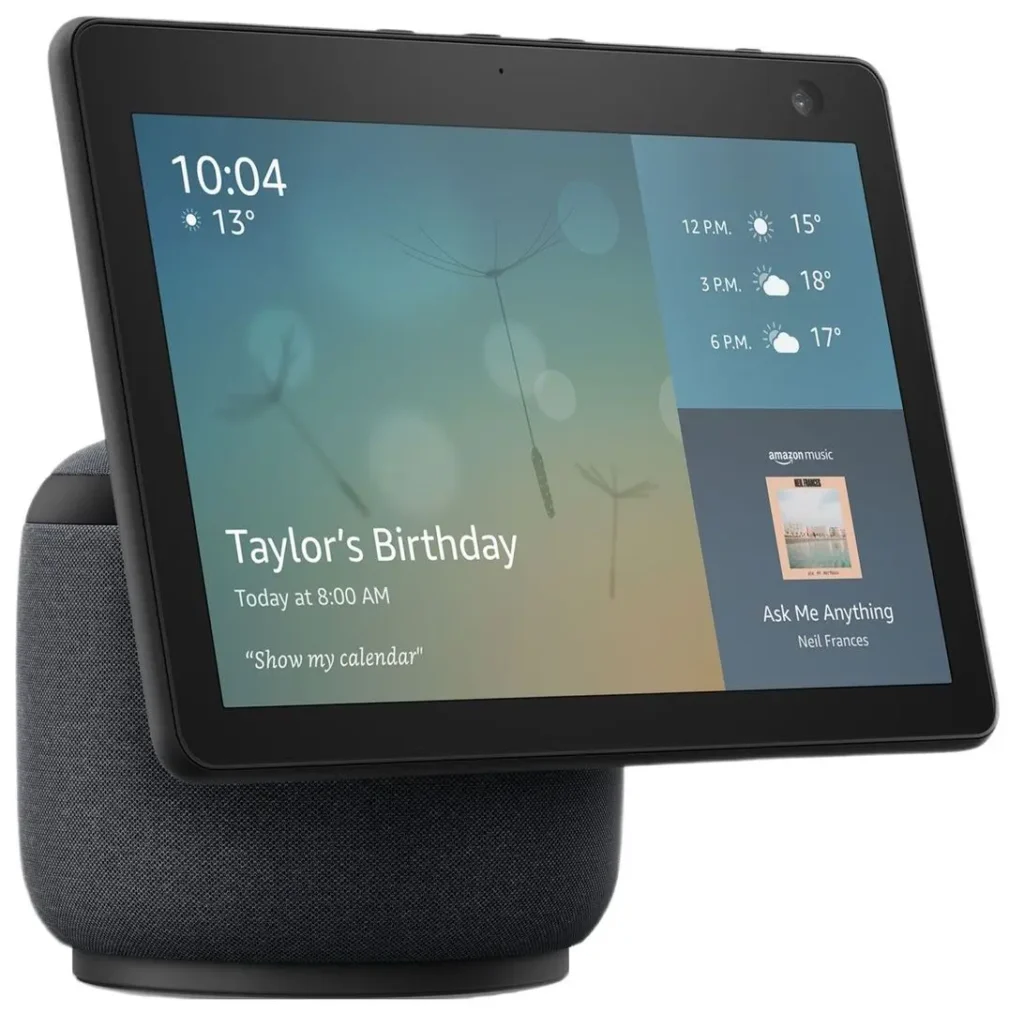
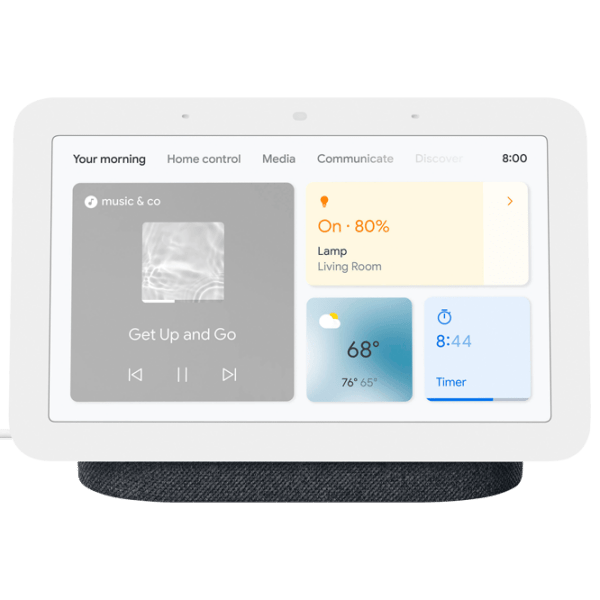
Smart home hubs and displays (Amazon Echo Show, Google Nest Hub) have plateaued. The AI assistant improvements announced throughout 2025 haven’t translated into meaningfully better daily utility, and most recipients who wanted one already have one. Unless you know specifically that someone wants to build out a smart home ecosystem, these products land with a thud.
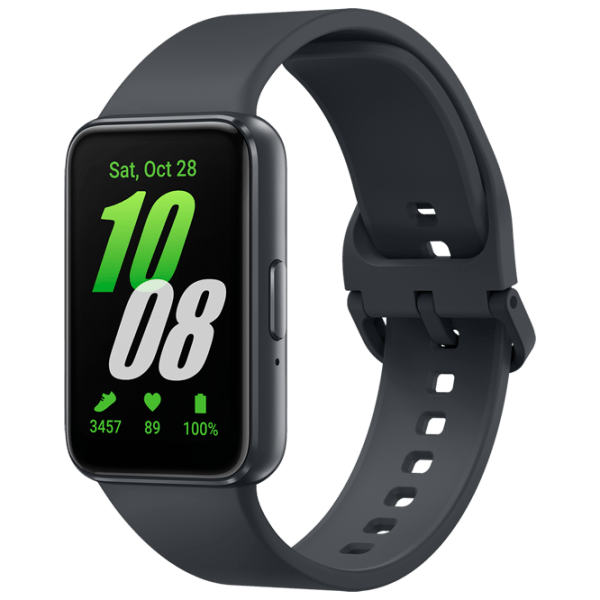
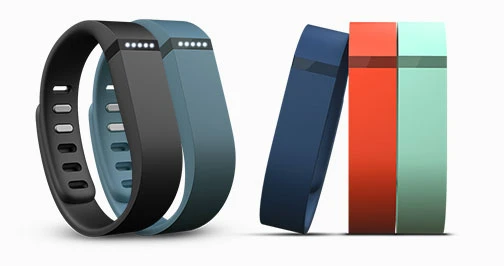
Fitness trackers under $150 (basic Fitbit, Amazfit, Samsung Galaxy Fit) occupy an awkward middle ground: they track steps and sleep, but not with the accuracy or software depth that justifies hardware wear. The person who wants serious fitness tracking wants a Garmin or Apple Watch; the person who just wants step counting already has a phone in their pocket. The $99 tier of fitness trackers mostly sells regret.
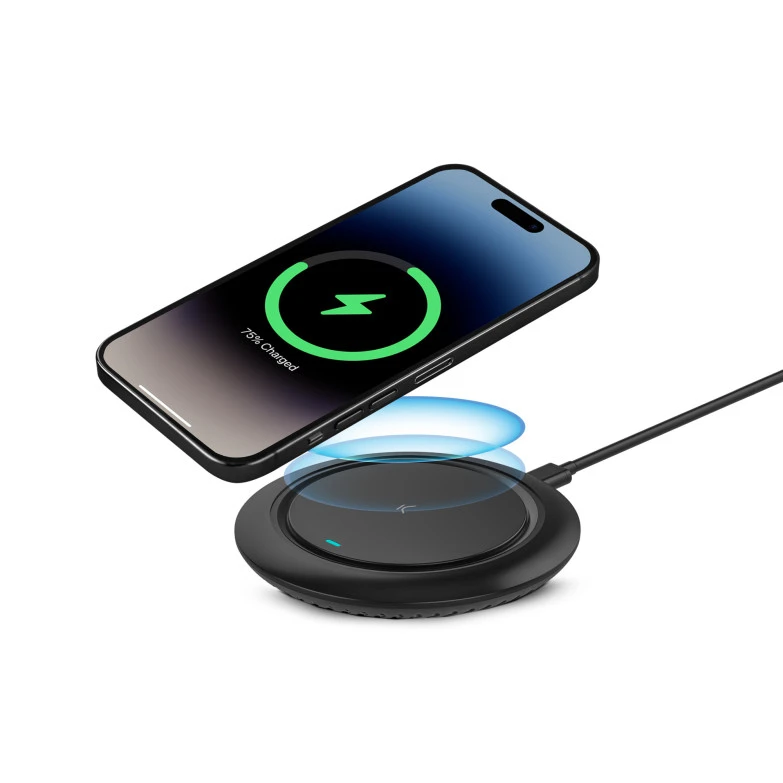
Wireless charging pads as standalone gifts — unless you’re specifically buying a MagSafe-specific charger for an iPhone 16 user — are commoditized to the point where they’re less a thoughtful gift and more a reminder that USB-C cables exist.
Frequently Asked Questions what to buy and what to skip
For the person who owns all the obvious gadgets, consumable or subscription-based gifts land better than hardware. A GeForce Now Ultimate annual subscription ($200) pairs well with any Windows PC or the ROG Xbox Ally X. An Audible credit bundle or a Kindle Unlimited annual subscription ($119) works for heavy readers. For the maker crowd, a LEGO Technic set — particularly the Bugatti Bolide or NASA Artemis Space Launch System kits — occupies the intersection of tech and hands-on building that most gift guides ignore entirely.
The Anker 633 MagSafe-compatible power bank ($35) is the $50-and-under recommendation that gets actual daily use rather than collecting dust. For iPhone 16 users specifically, MagSafe attachment replaces the fumbling with cables and the snap-on connection makes charging feel intentional rather than accidental. Alternatively, a good USB-C hub — Anker’s 341 7-in-1 at $30 — solves the port shortage that frustrates anyone using a modern laptop with a project monitor or external drive.
Nintendo Switch 2 for most recipients: broader game library appeal, more accessible price, and better local multiplayer support make it the safer choice for someone whose gaming preferences you don’t know in detail. Steam Deck OLED for PC gamers specifically: the SteamOS experience, existing Steam library compatibility, and $549 price point make it better value for someone who already buys PC games. Note that Steam Deck remains out of stock in the US as of February 2026 due to memory chip shortages — availability should be confirmed before committing to it as a gift.
For iPhone users who want health monitoring tightly integrated with iOS — medical-grade ECG, crash detection, fall alerts, tight Health app synchronization — Apple Watch Series 10 at $399 remains the best recommendation. For serious athletes or outdoor enthusiasts who prioritize GPS accuracy, battery endurance over multiple days, and sport-specific metrics like climbing altitude profiles or open-water swim tracking, Garmin’s Fenix 8 or Forerunner 965 outperform Apple Watch in the categories that matter most to that audience. The choice is less about which is objectively better and more about which ecosystem and use case fits the recipient.
At the $500+ tier, the short list of gifts that justify the price: ROG Xbox Ally X ($999) for a Windows gamer who travels frequently, Garmin Fenix 8 Solar ($999) for a serious outdoor athlete, Sony WH-1000XM6 + Kindle Colorsoft bundled ($628 combined) for a heavy traveler who reads and listens, or an Apple AirPods Max ($549) for someone deep in the Apple ecosystem who wants the best-sounding wireless headphones Apple makes. Above $500, the gift needs to match a specific, known preference rather than a general interest in technology — at that price point, the wrong pick wastes more money than it saves in thoughtfulness.
Sources: Tom’s Hardware, The Verge, Garmin Official, Nintendo Official
Subscribe!
Subscribe to our newsletter and be in touch with high-tech news
Top Read
A LEGO game wants RTX 3080: Why LEGO Batman’s system requirements shock everyone

MSI launches XpertStation WS300 with Nvidia GB300 Blackwell: up to 496GB RAM and supercomputer hardware in desktop format

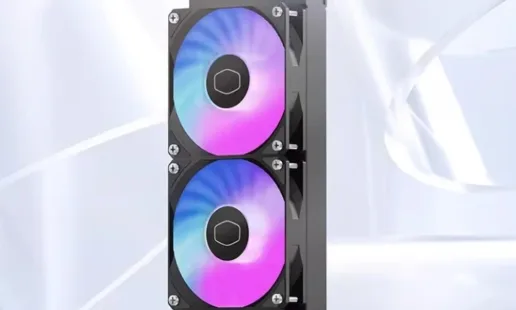
Cooler Master’s G360 Dragon Shadow SE Puts an Infinity Mirror on Your CPU Block for $66
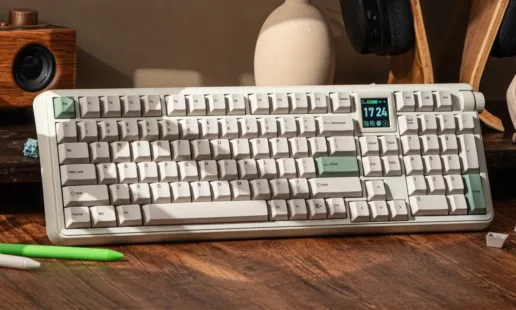
EPOMAKER RT100 PRO Ships With a Screen You Can Rip Out for Extra Keys
Intel Core Ultra 7 270K Plus and Core Ultra 5 250K Plus: 24 Cores, 5.5 GHz, $299
