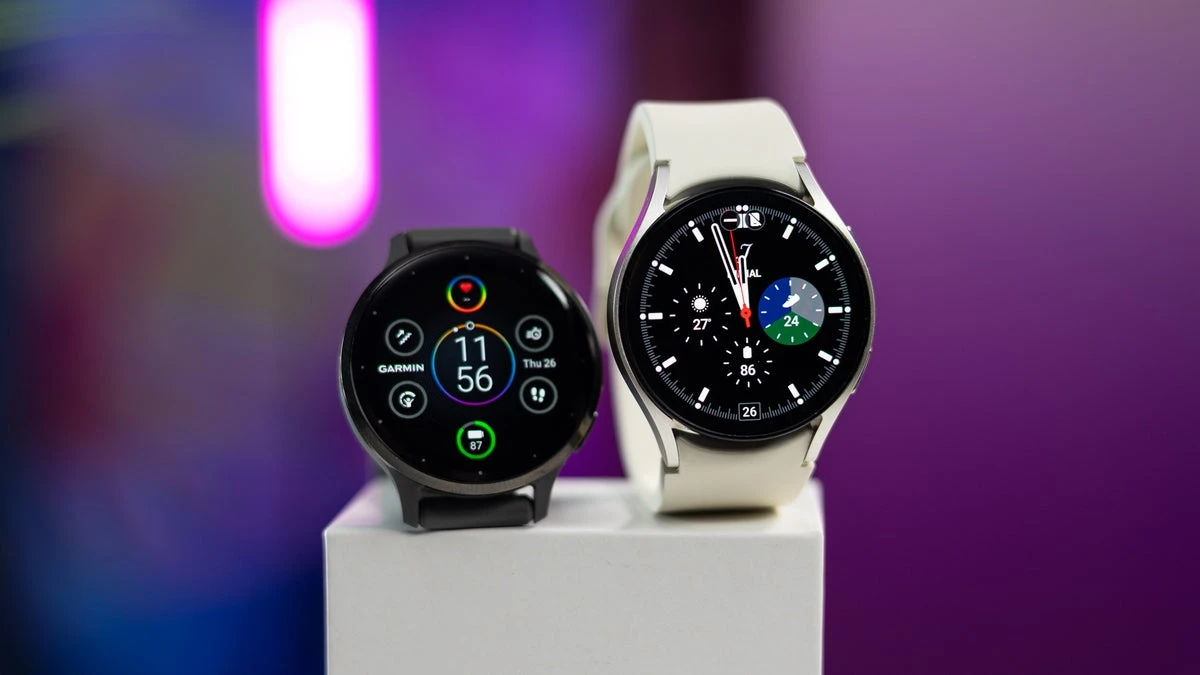
A US patent complaint targeting fall-detection features in Apple, Samsung and Garmin smartwatches has triggered an ITC investigation that could impact future imports or sales.
The United States International Trade Commission (ITC) has opened a formal investigation into a potential patent infringement involving fall-detection technology used in smartwatches from Apple, Samsung and Garmin.
The complaint was filed by Texas-based UnaliWear, which claims that several wearable devices use patented technologies related to detecting falls and emergency response features. If the ITC rules in favor of the complainant, it could lead to restrictions on imports and sales of affected devices in the US.
According to ITC procedures, the companies named in the case have 20 days to respond to the allegations. Failure to do so could result in default rulings that may trigger bans or limitations on US market availability.
What this investigation means for smartwatches
Fall detection has become a core safety feature in modern wearables, particularly in devices positioned as health-focused or lifestyle companions. Apple Watch, Samsung Galaxy Watch and many Garmin models actively promote these capabilities as part of their value proposition.
If the investigation advances, manufacturers could be forced to modify software, redesign hardware components, or negotiate licensing agreements. In extreme cases, certain models could be temporarily pulled from shelves until the dispute is resolved.
That said, ITC cases often take months or even years, and outright bans are relatively rare. Many disputes end with settlements rather than full enforcement actions.
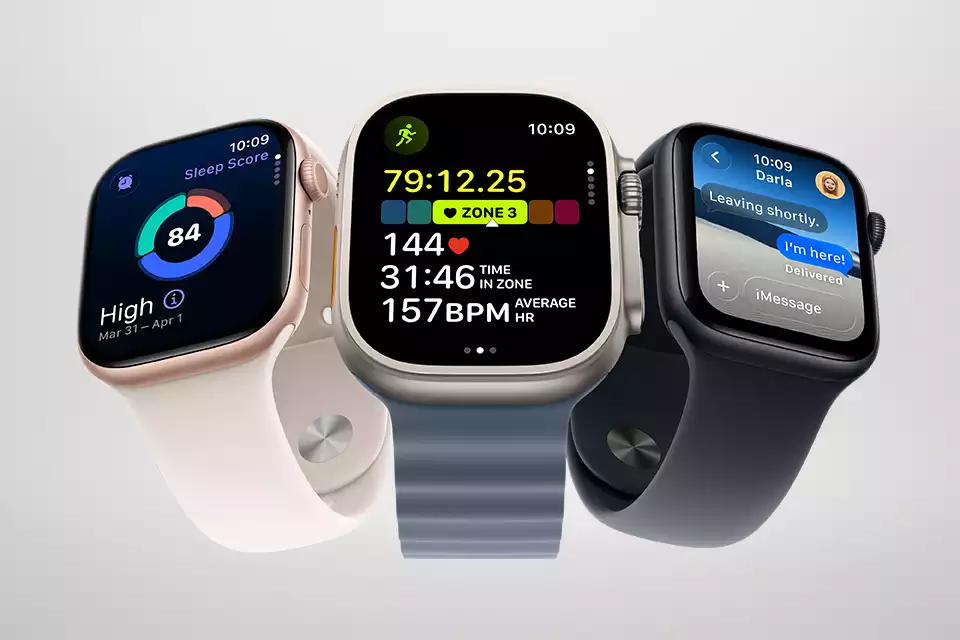
Why patent battles are increasing in wearable tech
As smartwatches evolve into advanced health-monitoring tools, competition around intellectual property has intensified. Features such as fall detection, heart monitoring and emergency alerts sit at the intersection of software, sensors and algorithms — fertile ground for patent claims.
With Apple, Samsung and Garmin all pushing deeper into health and safety use cases, legal pressure around these technologies is likely to continue, especially as wearables expand into medical-adjacent territory.
What happens next
The ITC will review technical documentation from both sides and determine whether the accused products violate existing patents. Possible outcomes include import restrictions, licensing deals or design changes in future smartwatch models.
For now, there is no immediate impact on consumers, but the case is worth watching — especially ahead of upcoming smartwatch releases later this year.
Subscribe!
Subscribe to our newsletter and be in touch with high-tech news
Top Read
A LEGO game wants RTX 3080: Why LEGO Batman’s system requirements shock everyone
MSI launches XpertStation WS300 with Nvidia GB300 Blackwell: up to 496GB RAM and supercomputer hardware in desktop format

Cooler Master’s G360 Dragon Shadow SE Puts an Infinity Mirror on Your CPU Block for $66
EPOMAKER RT100 PRO Ships With a Screen You Can Rip Out for Extra Keys

Intel Core Ultra 7 270K Plus and Core Ultra 5 250K Plus: 24 Cores, 5.5 GHz, $299
