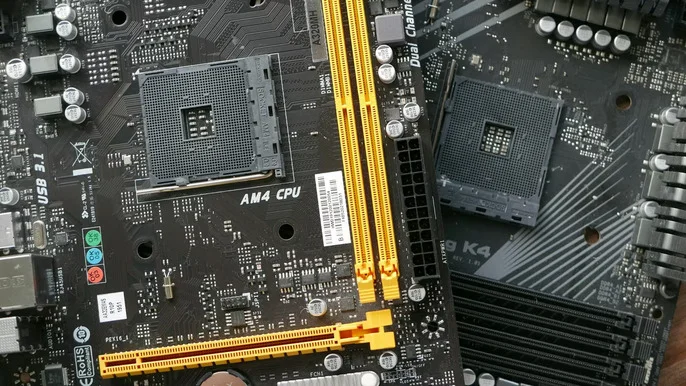
A practical 2026 motherboard guide for AMD and Intel systems, focusing on balanced gaming builds, platform longevity, and avoiding unnecessary overkill.
PC hardware prices keep climbing in 2026, and memory remains one of the biggest pain points for PC builders. The good news? Motherboards and CPUs haven’t seen the same level of inflation, which means upgrading or refreshing a system can still make financial sense, especially if you already own compatible RAM.
Choosing the right motherboard today isn’t about chasing the most expensive chipset. It’s about balance – stable power delivery, the right feature set, and a platform that won’t limit future upgrades. In this guide, we focus on smart, well-priced motherboards for gaming and everyday performance, not overkill boards designed for extreme workloads most gamers will never use.
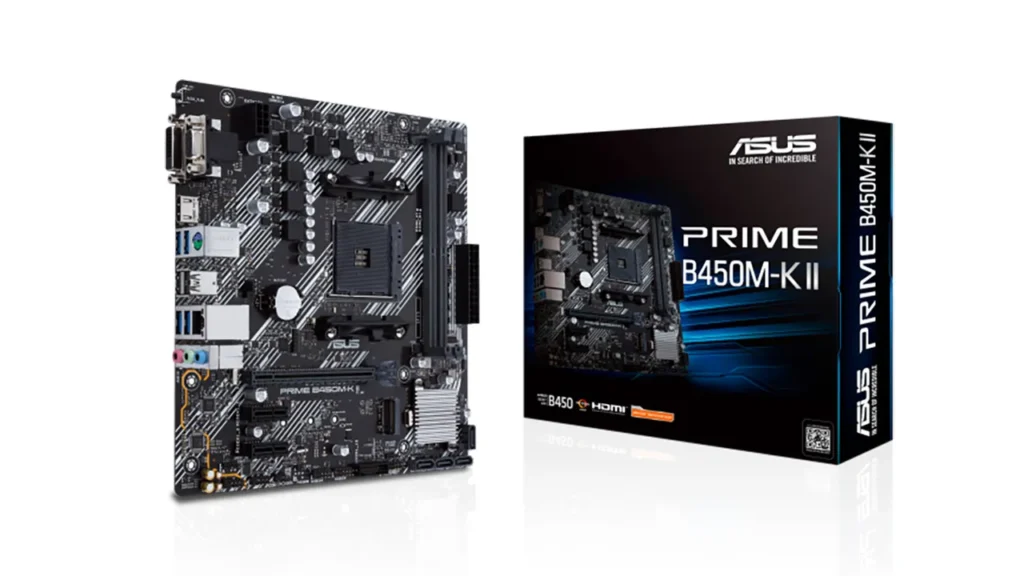
ASUS PRIME B450M-K II
| Feature | Value |
|---|---|
| Socket | AM4 |
| Chipset | B450 |
| Form factor | Micro-ATX |
| Memory | DDR4 |
| M.2 slots | 1 |
| PCIe | 3.0 |
The B450 platform is still relevant for ultra-budget builds, especially if you’re upgrading an older AM4 system. Its biggest limitation is PCIe 3.0, which can bottleneck modern GPUs that run on fewer PCIe lanes – particularly some 8-lane cards with limited VRAM.
That said, for entry-level CPUs like the Ryzen 5 5600X, performance losses are minimal in most real-world scenarios. The ASUS PRIME B450M-K II offers basic but sufficient features: an M.2 slot, memory overclocking support, and stable power delivery.
Important: Make sure the BIOS supports your CPU before buying. Some boards may require an update.
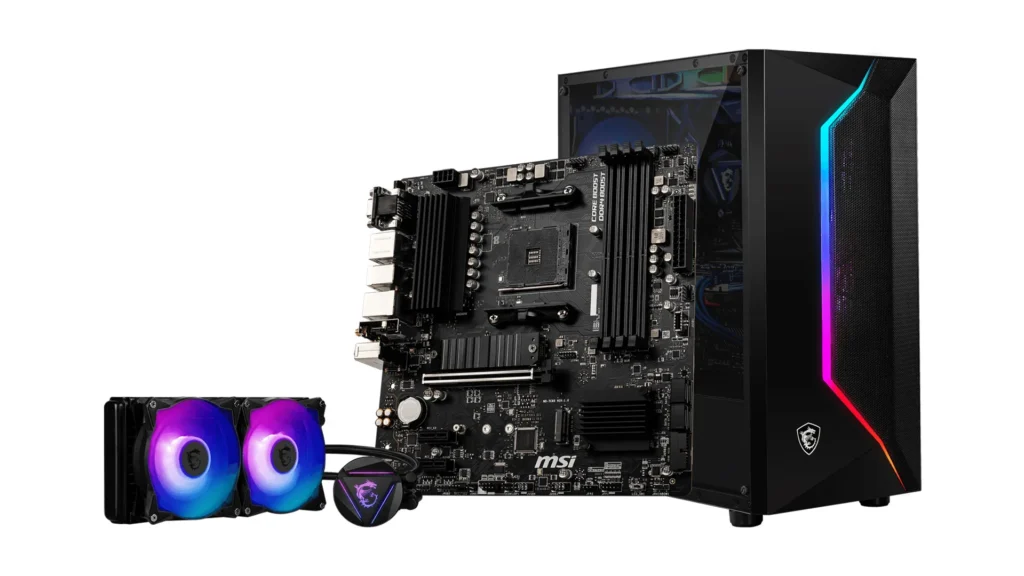
MSI B550M PRO-VDH WIFI
| Feature | Value |
|---|---|
| Socket | AM4 |
| Chipset | B550 |
| Form factor | Micro-ATX |
| Memory | DDR4 |
| M.2 slots | 2 |
| PCIe | 4.0 |
For AM4 users who want more longevity, B550 is a major upgrade over B450. PCIe 4.0 enables full x16 GPU bandwidth and faster NVMe SSDs, making it a strong match even for modern midrange GPUs.
Despite its compact size, the MSI B550M PRO-VDH WIFI can comfortably handle CPUs like the Ryzen 7 5700X3D. You get two M.2 slots, four RAM slots, and built-in Wi-Fi. A non-Wi-Fi version is available at a lower cost.
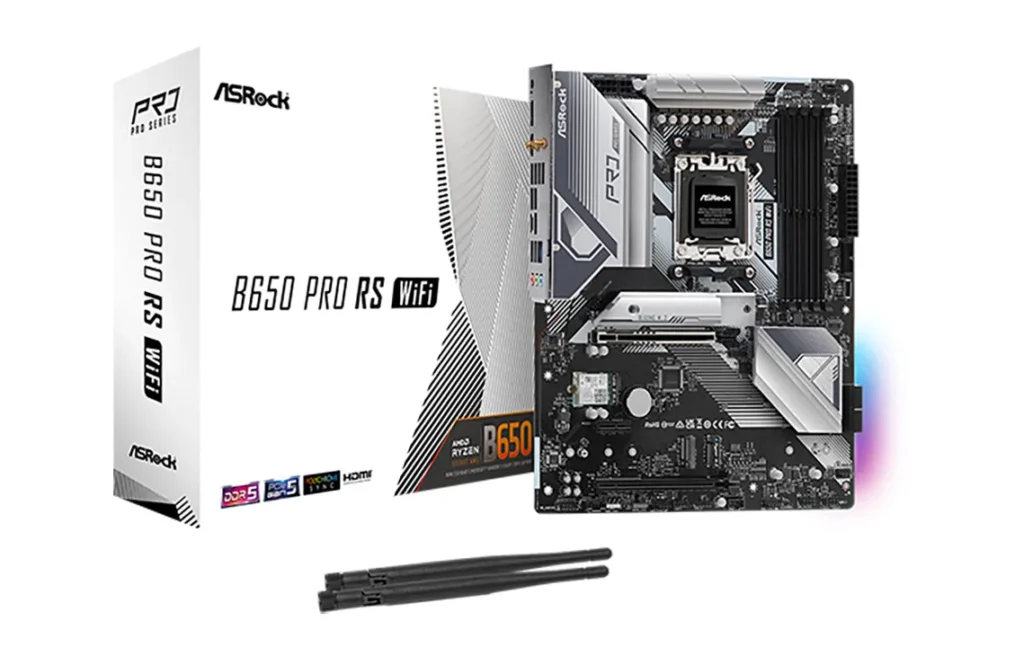
ASRock B650 Pro RS WiFi
| Feature | Value |
|---|---|
| Socket | AM5 |
| Chipset | B650 |
| Form factor | ATX |
| Memory | DDR5 |
| M.2 slots | 3 |
| PCIe | 4.0 / 5.0 |
One of the most balanced AM5 boards on the market. Despite its relatively accessible price, the ASRock B650 Pro RS WiFi can handle high-end CPUs up to Ryzen 9 9950X.
Key features include:
- three M.2 slots (one PCIe 5.0)
- Wi-Fi 6E
- 2.5 Gb Ethernet
- generous USB connectivity, including USB-C
A Micro-ATX version is also available, though it’s better suited for CPUs like the Ryzen 7 7800X3D rather than flagship models.
ASUS TUF GAMING X870-PLUS WIFI
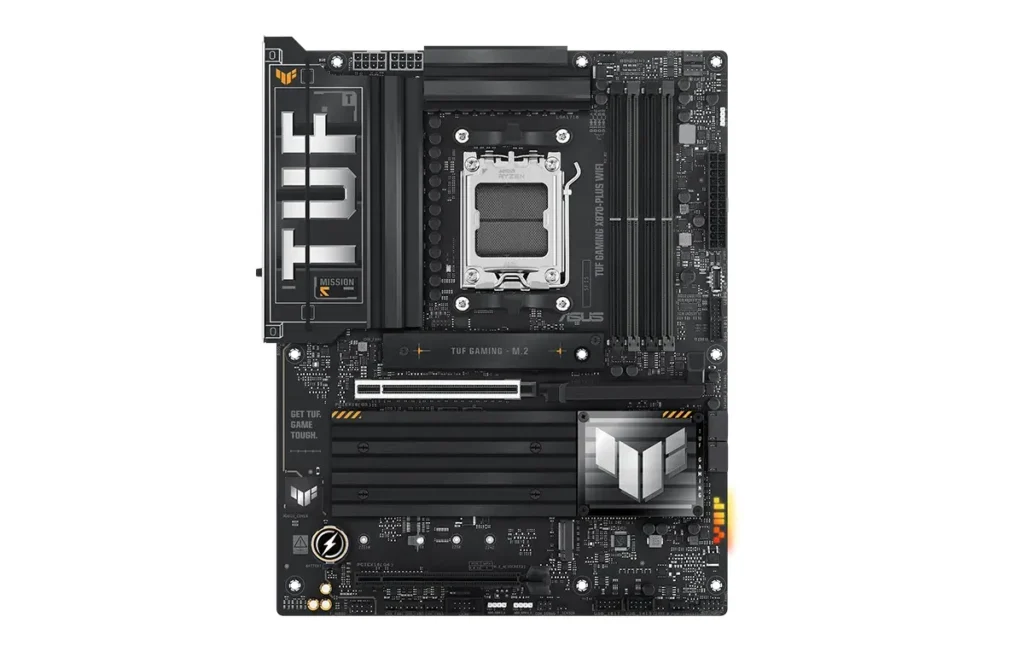
| Feature | Value |
|---|---|
| Socket | AM5 |
| Chipset | X870 |
| Form factor | ATX |
| Memory | DDR5 |
| M.2 slots | 4 |
| PCIe | 5.0 |
For top-tier AM5 systems, this board hits the sweet spot between performance and price. Compared to ASUS ROG models, it’s more restrained — but still offers:
- a robust 19-phase VRM
- four M.2 slots
- PCIe 5.0
- Wi-Fi 7
- USB4 support
Ideal for Ryzen 9000-series CPUs in high-end gaming or mixed workloads.
ASRock B760M Pro RS
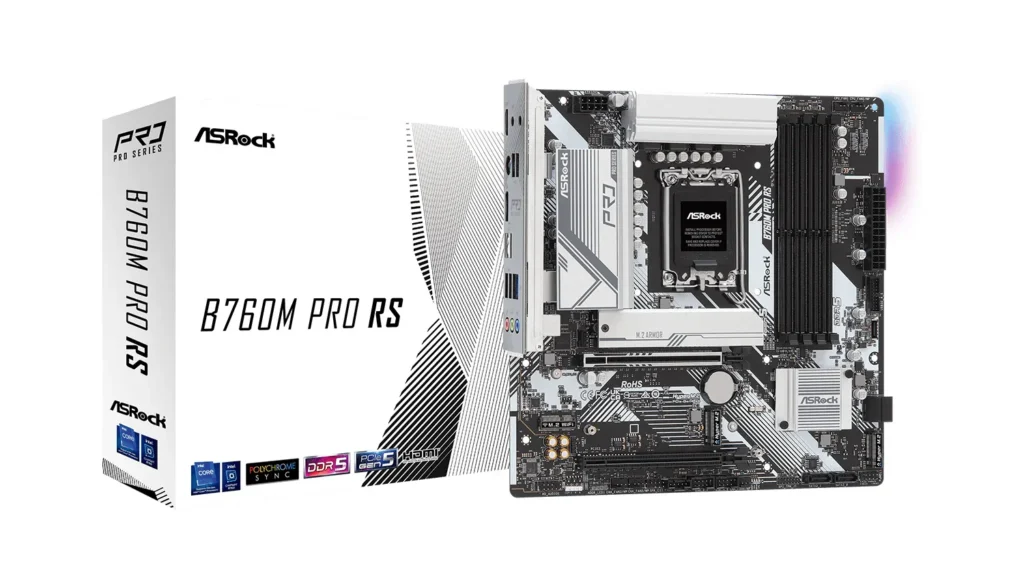
| Feature | Value |
|---|---|
| Socket | LGA 1700 |
| Chipset | B760 |
| Form factor | Micro-ATX |
| Memory | DDR4 |
| M.2 slots | 2 |
| PCIe | 4.0 |
If you’re staying on Intel’s LGA 1700 platform and already own DDR4 memory, this board makes sense. The ASRock B760M Pro RS pairs well with CPUs like the Core i5-14600KF.
It’s a no-frills option with:
- two M.2 slots
- four RAM slots
- 2.5 Gb Ethernet
USB speeds are modest, but for gaming builds, that’s rarely a dealbreaker.
ASRock Z890 Taichi
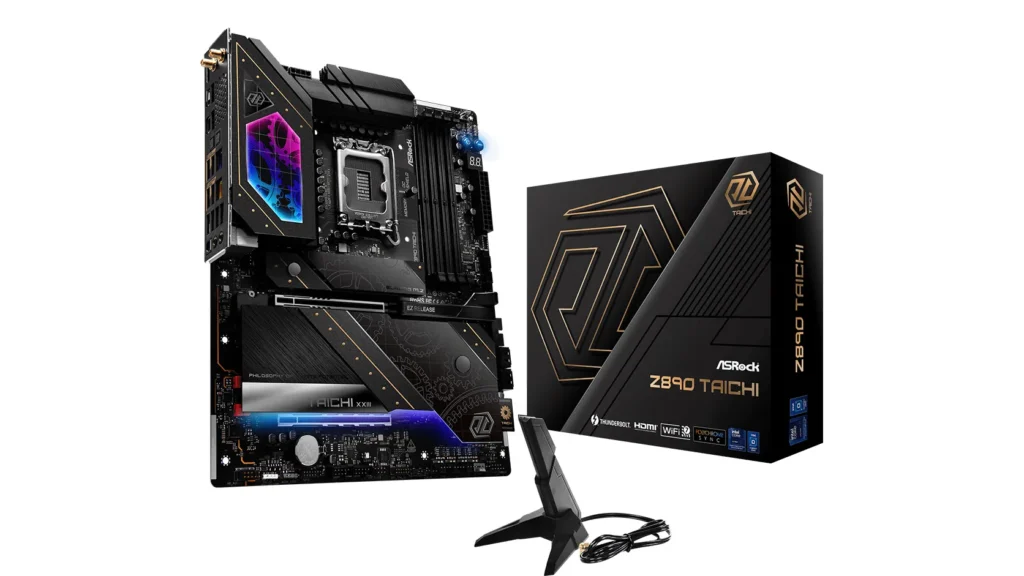
| Feature | Value |
|---|---|
| Socket | LGA 1851 |
| Chipset | Z890 |
| Form factor | ATX |
| Memory | DDR5 |
| M.2 slots | 6 |
| PCIe | 5.0 |
This is a true flagship motherboard. With a 20-phase VRM, six M.2 slots, Thunderbolt 4, Wi-Fi 7, and 5 Gb Ethernet, it’s designed for extreme CPUs and heavy workloads.
For pure gaming, it’s excessive. But for a high-end workstation or creator system, the Z890 Taichi makes sense.
A motherboard won’t increase your FPS, but it defines how stable, upgradeable, and future-proof your system will be. For most gamers, the smartest choice isn’t the most expensive board — it’s the one that fits the CPU, memory, and upgrade plans you actually have.
Motherboard кecommendations by platform and Use case
| Use Case | Recommended Motherboard | Platform | Why It Makes Sense |
|---|---|---|---|
| Ultra-Budget Upgrade | ASUS PRIME B450M-K II | AM4 / DDR4 | Cheapest viable AM4 option for reusing older RAM and CPUs |
| Best AM4 Longevity Pick | MSI B550M PRO-VDH WIFI | AM4 / DDR4 | PCIe 4.0, strong VRMs, solid choice for Ryzen 5000 CPUs |
| Best Value AM5 Board | ASRock B650 Pro RS WiFi | AM5 / DDR5 | Excellent balance of price, features, and upgrade headroom |
| High-End AM5 Gaming | ASUS TUF GAMING X870-PLUS WIFI | AM5 / DDR5 | Strong VRM, PCIe 5.0, modern I/O without ROG pricing |
| Intel DDR4 Gaming Build | ASRock B760M Pro RS | LGA 1700 / DDR4 | Makes sense if you already own fast DDR4 memory |
| Flagship / Workstation | ASRock Z890 Taichi | LGA 1851 / DDR5 | Extreme power delivery and connectivity for heavy workloads |
Prioritize compatibility, power delivery, and features you’ll use today and tomorrow. Everything else is just marketing.
Subscribe!
Subscribe to our newsletter and be in touch with high-tech news
Top Read
A LEGO game wants RTX 3080: Why LEGO Batman’s system requirements shock everyone

MSI launches XpertStation WS300 with Nvidia GB300 Blackwell: up to 496GB RAM and supercomputer hardware in desktop format
Cooler Master’s G360 Dragon Shadow SE Puts an Infinity Mirror on Your CPU Block for $66
EPOMAKER RT100 PRO Ships With a Screen You Can Rip Out for Extra Keys
Intel Core Ultra 7 270K Plus and Core Ultra 5 250K Plus: 24 Cores, 5.5 GHz, $299
